






Renewable Energy vs. Traditional Energy: Which Is Right for You?

Renewable vs. Traditional Energy: A Guide to Choosing Wisely
The choice between renewable energy and traditional energy sources is becoming increasingly significant as individuals and businesses seek sustainable solutions. This article will guide you through the various types of energy sources, their environmental impacts, economic considerations, and practical tips for making an informed decision. Understanding the differences between renewable energy, such as solar and wind, and traditional energy sources, like coal and natural gas, is crucial for aligning your energy choices with your sustainability goals. We will explore the main types of energy, their environmental effects, economic implications, and how to choose the right energy source for your needs.
What Are the Main Types of Renewable and Traditional Energy?
Understanding the different types of energy sources is essential for making informed decisions about energy consumption. Renewable energy sources are those that can be replenished naturally over time, while traditional energy sources are typically finite and contribute to environmental degradation.
Which Energy Sources Are Considered Renewable?
Renewable energy sources include solar energy, wind energy, hydro energy, geothermal energy, and biomass. Each of these sources harnesses natural processes to generate energy:
- Solar Energy: Captured through solar panels, this energy is derived from sunlight and can be converted into electricity or heat.
- Wind Energy: Generated by wind turbines, this energy harnesses the kinetic energy of wind to produce electricity.
- Hydro Energy: Produced from flowing water, typically through dams, hydro energy converts the energy of moving water into electricity.
- Geothermal Energy: This energy comes from the heat stored beneath the Earth’s surface, which can be used for heating and electricity generation.
- Biomass: Organic materials, such as plant and animal waste, can be converted into energy through combustion or biochemical processes.
What Are the Common Traditional Energy Sources?
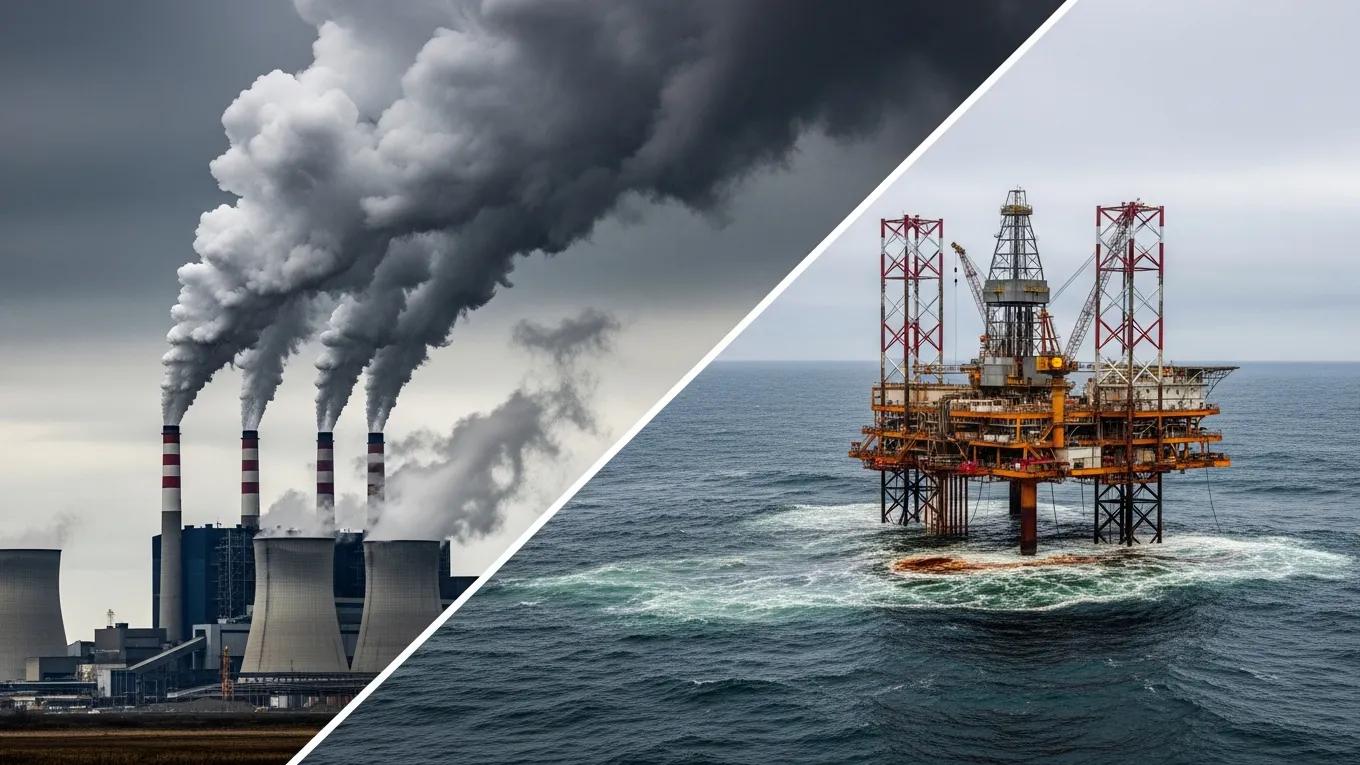
Traditional energy sources primarily include fossil fuels such as coal, natural gas, and oil. These sources are non-renewable and have significant environmental impacts:
- Coal: A solid fossil fuel that is burned to generate electricity, coal is one of the largest sources of carbon emissions.
- Natural Gas: Often considered a cleaner alternative to coal, natural gas is used for heating and electricity generation but still contributes to greenhouse gas emissions.
- Oil: Used primarily for transportation and heating, oil extraction and consumption have significant environmental consequences, including oil spills and air pollution.
How Do Renewable and Traditional Energy Compare in Environmental Impact?
The environmental impact of energy sources is a critical factor in the energy debate. Renewable energy sources generally have a lower environmental footprint compared to traditional energy sources.
What Are the Carbon Emission Differences Between Energy Sources?
Renewable energy sources produce little to no carbon emissions during operation, significantly reducing their impact on climate change. In contrast, traditional energy sources, particularly coal and oil, are major contributors to greenhouse gas emissions. For instance, coal-fired power plants emit approximately 2.2 pounds of CO2 per kilowatt-hour of electricity generated, while natural gas plants emit about 0.4 to 0.6 pounds.
How Does Energy Source Choice Affect Pollution and Climate Change?
The choice of energy source directly influences pollution levels and climate change. Renewable energy sources help mitigate air and water pollution, contributing to cleaner environments. For example, transitioning to wind and solar energy can reduce reliance on fossil fuels, leading to lower emissions and improved public health outcomes. In contrast, continued reliance on traditional energy sources exacerbates climate change and environmental degradation.
What Are the Economic Costs and Benefits of Renewable vs. Traditional Energy?
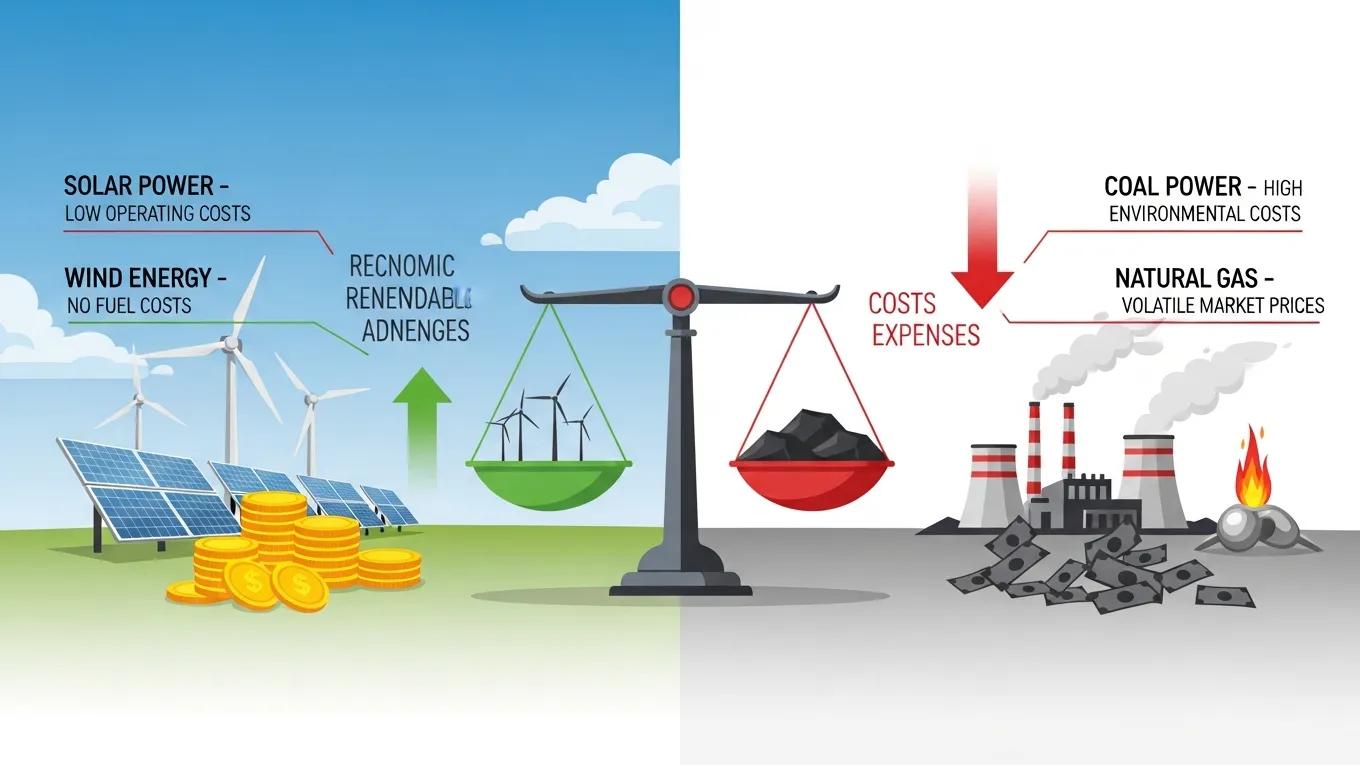
Economic considerations play a significant role in the energy source decision-making process. Understanding the costs and benefits associated with each type of energy can help consumers make informed choices.
Which Energy Source Offers Better Cost Savings Over Time?
While the initial investment in renewable energy technologies can be higher, the long-term savings often outweigh these costs. For example, solar energy systems can lead to significant reductions in electricity bills over time, with many systems paying for themselves within 5 to 10 years, depending on local incentives and energy prices. In contrast, traditional energy sources may have lower upfront costs but can lead to higher long-term expenses due to fluctuating fuel prices and environmental regulations.
How Do Energy Prices and Incentives Influence Your Choice?
Energy prices and government incentives can significantly influence the choice of energy sources. Understanding these factors is essential for making informed decisions.
Government incentives, such as tax credits and rebates for renewable energy installations, can lower the overall cost of transitioning to renewable sources. Additionally, energy prices can fluctuate based on market conditions, making it essential to consider both current and future energy costs when selecting an energy source.
How Do Energy Efficiency and Reliability Differ Between Renewable and Traditional Sources?
Energy efficiency and reliability are critical factors in evaluating energy sources. Understanding how these aspects differ can help consumers make better choices.
What Is the Energy Consumption Efficiency of Each Source?
Renewable energy sources often have higher energy efficiency ratings compared to traditional sources. For instance, solar panels can convert up to 22% of sunlight into electricity, while traditional power plants may have lower efficiency rates due to energy loss during combustion and transmission.
How Reliable Are Renewable Energy Sources Compared to Traditional Ones?
The reliability of energy sources can vary significantly. Traditional energy sources, such as natural gas and coal, provide consistent power generation. However, renewable energy sources can be intermittent, depending on weather conditions. Advances in energy storage technologies, such as batteries, are improving the reliability of renewable sources, making them more competitive with traditional energy options.
How Can You Choose the Right Energy Source for Your Needs?
Choosing the right energy source involves considering various factors, including personal energy needs, local resources, and financial considerations.
What Factors Should Influence Your Energy Source Selection?
When selecting an energy source, consider the following factors:
- Location: Assess the availability of renewable resources, such as sunlight or wind, in your area.
- Budget: Evaluate your financial capacity for initial investments and ongoing energy costs.
- Sustainability Goals: Align your energy choices with your personal or organizational sustainability objectives.
How Do Personal Sustainability Goals Affect Your Energy Choice?
Personal sustainability goals can significantly influence energy choices. Individuals committed to reducing their carbon footprint may prioritize renewable energy sources, while those focused on cost savings may consider traditional options. Understanding how your values align with energy choices can guide you toward the most suitable energy source.
What Practical Tips Help You Live Greener Using Your Energy Source?
Living greener involves making conscious choices about energy consumption and supporting sustainable practices.
How Can You Reduce Your Carbon Footprint Through Energy Use?
To reduce your carbon footprint, consider the following tips:
- Switch to Renewable Energy: Opt for energy providers that offer renewable energy options.
- Invest in Energy Efficiency: Upgrade to energy-efficient appliances and lighting to reduce overall energy consumption.
- Practice Energy Conservation: Implement habits such as turning off lights and unplugging devices when not in use.
What Are Simple Steps to Support Renewable Energy Adoption?
Supporting renewable energy adoption can be achieved through various actions:
- Advocate for Policies: Support local and national policies that promote renewable energy development.
- Participate in Community Solar Projects: Join community initiatives that invest in solar energy installations.
- Educate Others: Share information about the benefits of renewable energy with friends and family to raise awareness.
What Are the Advantages and Disadvantages of Renewable and Traditional Energy?
Understanding the pros and cons of each energy source can help consumers make informed decisions.
What Are the Key Benefits of Renewable Energy?
Renewable energy offers several key benefits:
- Environmental Sustainability: Reduces carbon emissions and pollution, contributing to a healthier planet.
- Energy Independence: Decreases reliance on imported fossil fuels, enhancing energy security.
- Job Creation: The renewable energy sector is a growing source of employment opportunities.
Further research highlights that while renewable energy offers significant advantages like reduced emissions and enhanced energy security, its widespread adoption faces various technical, economic, and social hurdles.
Renewable Energy vs. Fossil Fuels: Benefits & Barriers
Renewable energy presents a sustainable substitute to fossil fuels, offering potential for reduced greenhouse gas emissions, enhanced energy security, and environmental sustainability. This review analyzes the technical, economic, social, environmental, and policy barriers hindering renewable energy adoption. Challenges such as intermittency, high initial costs, socio-cultural resistance, and regulatory fragmentation are explored alongside region-specific barriers in Africa, Asia, Europe, and the Americas.
A systematic review of barriers to renewable energy integration and adoption, E Obuseh, 2025
What Are the Drawbacks of Traditional Energy Sources?
- Environmental Impact: Significant contributors to air and water pollution, leading to health issues.
- Resource Depletion: Finite nature of fossil fuels raises concerns about long-term availability.
- Economic Volatility: Fluctuating fuel prices can lead to unpredictable energy costs.
What Are the Latest Trends and Data on Renewable Energy Adoption?
Staying informed about current trends in renewable energy adoption is essential for understanding the energy landscape.
How Are Global Renewable Energy Adoption Rates Changing?
Global adoption rates for renewable energy are on the rise, with many countries investing heavily in solar, wind, and other renewable technologies. Recent data indicates that renewable energy sources accounted for over 30% of global electricity generation in 2022, a significant increase from previous years.
What Regulatory Supports and Incentives Are Driving Clean Energy?
Government policies and incentives play a crucial role in promoting renewable energy adoption. Many countries offer tax credits, grants, and subsidies to encourage the development of renewable energy projects, making them more accessible to consumers and businesses alike.