
Why Switching to Sustainable Energy Can Save You Money
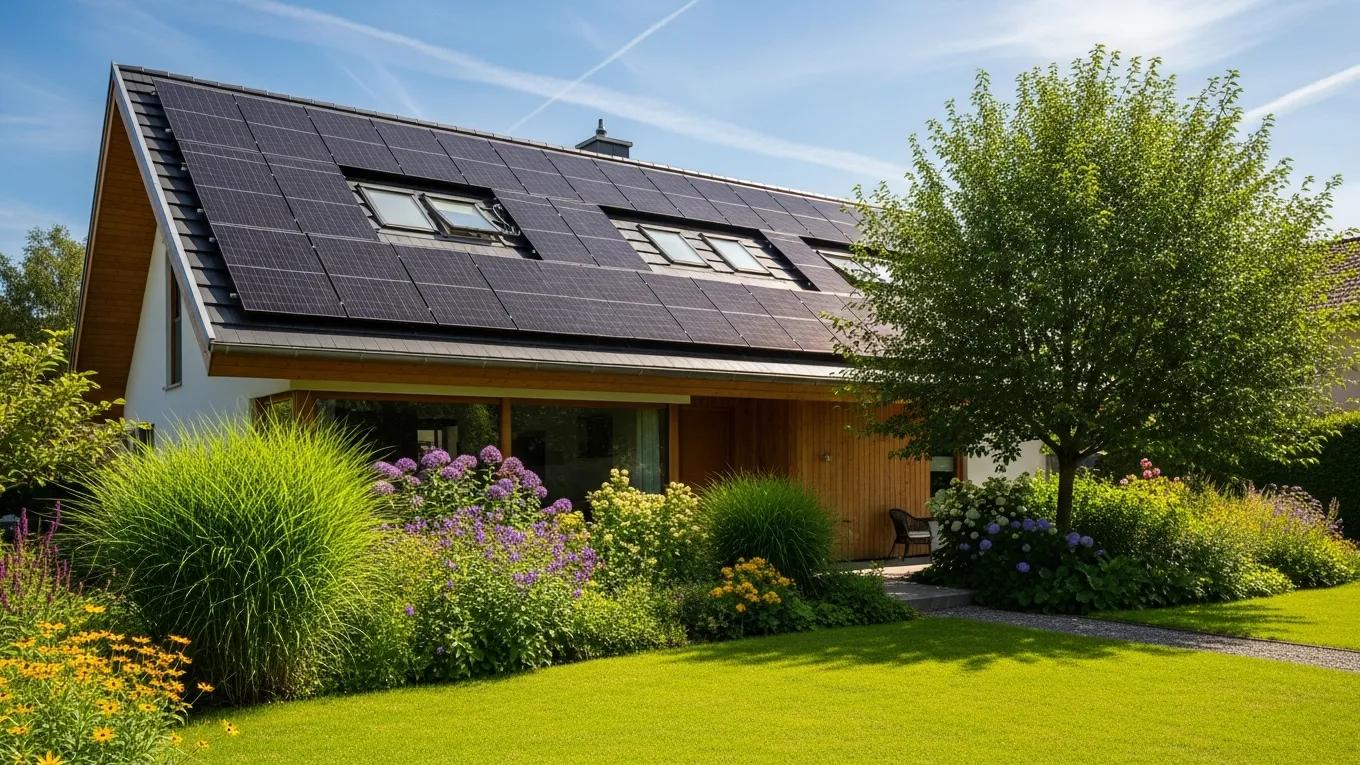
Why Switching to Sustainable Energy Can Save You Money: Your Guide to Renewable Energy Cost Savings
Switching to sustainable energy is not just an environmentally friendly choice; it can also lead to significant financial savings. As energy costs continue to rise, many homeowners and businesses are exploring renewable energy options to reduce their expenses. This guide will delve into how transitioning to sustainable energy can save you money, highlighting the initial investments, long-term financial benefits, and potential incentives available. By understanding the various types of renewable energy, such as solar, wind, and geothermal, you can make informed decisions that benefit both your wallet and the planet. We will also explore real-world success stories and practical steps to get started on your journey toward sustainable energy savings.
Initial Investments
Transitioning to renewable energy often requires an upfront investment, which can be a barrier for many. The initial costs associated with installing renewable energy systems, such as solar panels or wind turbines, can vary significantly based on the technology and scale of the installation. However, understanding these costs is crucial for evaluating the long-term savings potential.
Investments in renewable energy systems typically include:
- Equipment Costs: The price of solar panels, wind turbines, or geothermal systems.
- Installation Costs: Labor and materials required for setting up the systems.
- Financing Options: Various financing plans, including loans and leases, can help spread out the initial costs.
By considering these factors, you can better assess the financial commitment required to switch to sustainable energy.
Long-Term Financial Benefits

The long-term financial benefits of switching to renewable energy can be substantial. Once the initial investment is recouped, the ongoing savings can significantly outweigh the costs. Here are some key financial advantages:
- Reduced Energy Bills: Renewable energy systems can drastically lower your monthly utility bills, providing immediate savings.
- Increased Property Value: Homes equipped with renewable energy systems often see an increase in property value, making them more attractive to potential buyers.
- Low Maintenance Costs: Many renewable energy systems require minimal maintenance, leading to lower ongoing expenses.
- Energy Independence: Generating your own energy can protect you from fluctuating energy prices and provide greater control over your energy costs.
These benefits illustrate how investing in renewable energy can lead to significant savings over time.
Potential Incentives
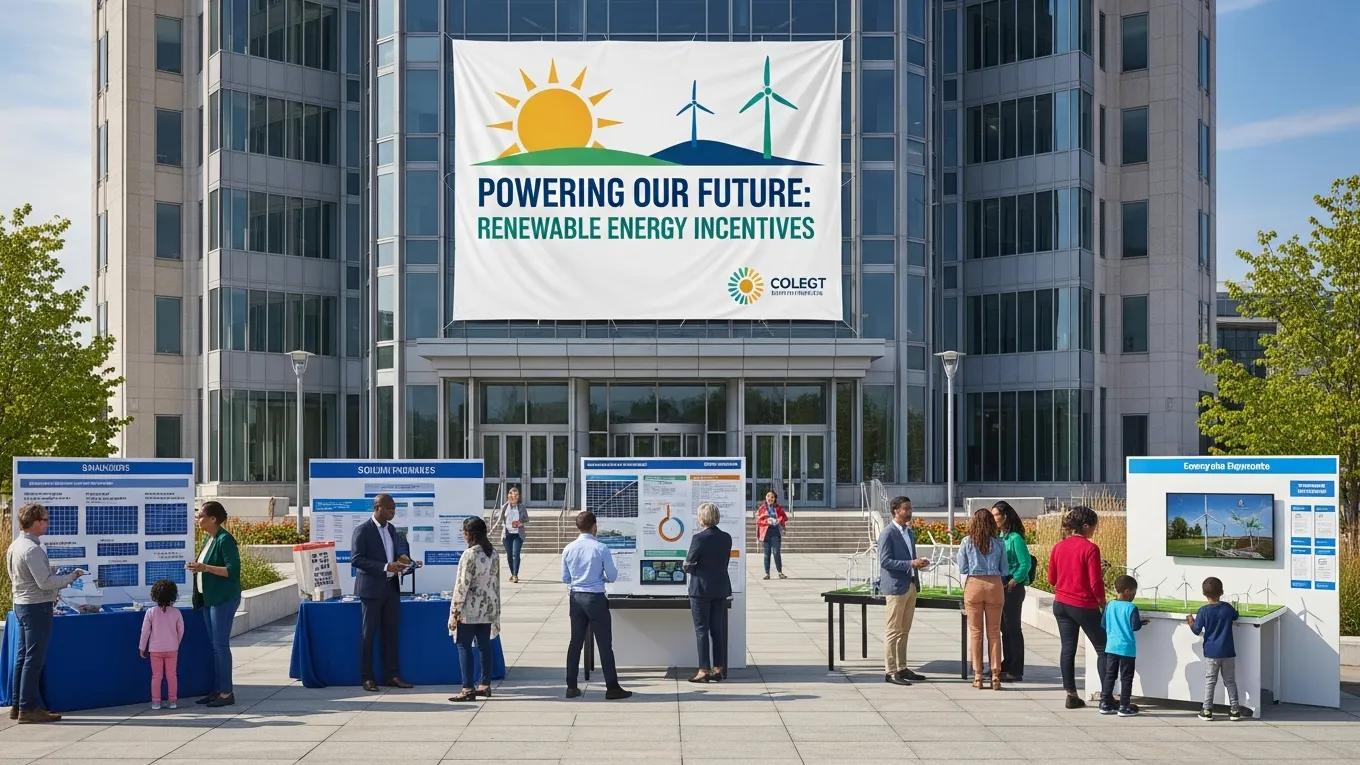
Governments at various levels offer incentives to encourage the adoption of renewable energy. These incentives can help offset the initial costs and make switching to sustainable energy more financially viable. Some common incentives include:
- Government Rebates: Many states and local governments provide rebates for installing renewable energy systems.
- Tax Credits: Federal and state tax credits can significantly reduce the overall cost of renewable energy installations.
- Grants and Financial Assistance: Various programs are available to assist homeowners and businesses in financing their renewable energy projects.
By taking advantage of these incentives, you can enhance your return on investment and make the switch to sustainable energy more affordable.
Conclusion
Investing in renewable energy is not only a smart financial decision but also a step toward a more sustainable future. The combination of reduced energy bills, increased property value, and available incentives makes switching to sustainable energy a financially savvy choice. As you consider your options, remember that the long-term benefits far outweigh the initial investments, leading to both economic and environmental advantages.
Understanding Sustainable Energy: Types and Initial Cost Benefits
Sustainable energy encompasses various technologies that harness natural resources to generate power. Understanding the different types of renewable energy and their initial cost benefits is essential for making informed decisions. The primary types include solar energy, wind energy, and geothermal energy, each with unique advantages and cost structures.
Solar Energy
Solar energy systems convert sunlight into electricity, providing a clean and renewable energy source. The initial costs of solar panel installation can vary, but many homeowners find that the long-term savings on energy bills justify the investment. Additionally, solar energy systems can increase property value and may qualify for various incentives, making them an attractive option for many.
Wind Energy
Wind energy harnesses the power of wind to generate electricity. While the initial investment for wind turbines can be significant, the long-term savings on energy costs can be substantial. Wind energy is particularly effective in areas with consistent wind patterns, and many states offer incentives to encourage its adoption.
Geothermal Energy
Geothermal energy utilizes the Earth’s natural heat to provide heating and cooling solutions. The initial costs of geothermal systems can be higher than traditional heating systems, but they offer significant long-term savings through reduced energy bills and low maintenance costs. Geothermal systems are also eligible for various government incentives, making them a viable option for many homeowners.
Additional Considerations
When considering a switch to renewable energy, it’s essential to evaluate additional factors that can contribute to energy savings. Energy-efficient appliances and smart home technologies can further enhance the benefits of renewable energy systems. By integrating these technologies, you can maximize your savings and reduce your overall energy consumption.
Exploring Solar Energy: Immediate and Long-Term Financial Advantages
Solar energy offers both immediate and long-term financial advantages. Homeowners can experience immediate savings on their energy bills after installing solar panels, while the long-term benefits include increased property value and reduced reliance on traditional energy sources. Additionally, many states offer incentives that can help offset the initial costs, making solar energy an attractive option for many.
Wind Power and Geothermal: Diverse Options for Reducing Energy Expenses
Wind power and geothermal energy provide diverse options for reducing energy expenses. Both technologies can lead to significant savings on energy bills and offer unique benefits based on geographic location and energy needs. By exploring these options, homeowners can find the best solution for their specific circumstances.
Direct Financial Advantages: How Renewable Energy Reduces Your Bills
Renewable energy systems directly reduce utility bills by generating electricity on-site. This self-sufficiency not only lowers monthly expenses but also protects homeowners from rising energy costs. Additionally, many renewable energy systems qualify for tax incentives and rebates, further enhancing their financial appeal.
How Solar Panels Significantly Lower Monthly Electricity Costs
Solar panels can significantly lower monthly electricity costs by providing a renewable source of energy. Homeowners who install solar panels often see a reduction in their utility bills, and many states offer net metering programs that allow homeowners to sell excess energy back to the grid. This can lead to substantial savings over time.
Reducing Reliance on Volatile Fossil Fuel Prices
Switching to renewable energy reduces reliance on volatile fossil fuel prices, providing greater financial stability. By generating your own energy, you can protect yourself from fluctuating energy costs and create a more predictable budgeting environment. This stability is particularly beneficial for businesses that rely heavily on energy for their operations.
Government Incentives and Financial Support Programs for Green Energy
Various government programs support the adoption of renewable energy through financial incentives. These programs can include federal and local incentives, eligibility criteria, and application processes that make it easier for homeowners and businesses to transition to sustainable energy.
Federal and Local Rebates for Sustainable Energy Installations
Federal and local rebates are available for sustainable energy installations, helping to offset the initial costs. These rebates can vary by location and type of installation, so it’s essential to research the options available in your area to maximize your savings.
Tax Credits and Grants: Boosting Your Green Energy Investment Returns
Tax credits and grants can significantly boost your returns on green energy investments. Federal tax credits are available for various renewable energy systems, while state and local grants can further enhance the financial viability of your project. Understanding these options can help you make the most of your investment in sustainable energy.
Calculating Your Return on Investment: Recouping Sustainable Energy Costs
Calculating your return on investment (ROI) for sustainable energy is crucial for understanding the financial benefits of your investment. Factors to consider include the initial costs, ongoing savings, and potential increases in property value. By analyzing these elements, you can determine how long it will take to recoup your investment.
How Long Does It Take to Recoup Solar Panel Installation Costs?
The timeframe for recouping solar panel installation costs can vary based on several factors, including the size of the system, local energy prices, and available incentives. On average, homeowners can expect to recoup their investment within 5 to 10 years, making solar panels a financially sound choice for many.
Further research delves into the financial payback periods for solar photovoltaic systems, considering initial capital costs and energy savings through net-metering tariffs.
Solar PV Financial Payback: Capital Costs & Energy Savings
Installing a solar photovoltaic (PV) array is both an environmental and a financial decision. The financial arguments often take priority over the environmental because installing solar is capital-intensive. The Simple Payback period (SPB) is often assessed prior to the adoption of solar PV at a residence or a business. Simple Payback was calculated based on initial capital cost, and on the availability of avoided electricity costs based on net-metering tariffs, which at present in the U.S. are 1:1 credit ratio, and in Poland is 1:0.7 credit ratio.
Comparing energy payback and simple payback period for solar photovoltaic systems, 2017
Long-Term Value: Property Value Increase and Energy Independence
Investing in renewable energy can increase property value and provide energy independence. Homes equipped with solar panels or other renewable energy systems are often more attractive to buyers, leading to higher resale values. Additionally, generating your own energy can provide peace of mind and financial security.
Real-World Success Stories: Case Studies of Energy Savings
Households Saving Up to 30% on Energy Bills: Recent Examples
Many households have reported saving up to 30% on their energy bills after switching to renewable energy. These success stories highlight the potential for significant savings and demonstrate the effectiveness of various renewable energy systems.
Businesses Thriving with Reduced Operational Energy Expenses
Numerous businesses have thrived by reducing their operational energy expenses through the adoption of renewable energy. By investing in solar panels or wind turbines, these companies have not only lowered their costs but also enhanced their sustainability efforts.
Beyond the Wallet: Environmental Benefits and Climate Impact
Switching to renewable energy offers numerous environmental benefits, including a reduction in carbon footprint and improved air quality. By choosing sustainable energy sources, individuals and businesses can contribute to climate change mitigation and promote a healthier planet.
Contributing to Climate Change Mitigation Through Green Energy
Renewable energy plays a crucial role in mitigating climate change by reducing greenhouse gas emissions. By transitioning to sustainable energy sources, we can collectively work towards a more sustainable future and combat the effects of climate change.
Reducing Your Carbon Footprint and Promoting a Healthier Planet
Adopting renewable energy solutions helps reduce your carbon footprint and promotes a healthier planet. By choosing sustainable energy sources, individuals can make a positive impact on the environment and contribute to a more sustainable future.
Maximizing Your Savings: Energy Efficiency and Smart Home Integration
Integrating energy-efficient appliances and smart home technologies can maximize your savings when switching to renewable energy. These improvements can further reduce energy consumption and enhance the overall efficiency of your home.
Energy Efficiency Improvements: Cutting Bills by Up to 30%
Implementing energy efficiency improvements can cut your energy bills by up to 30%. Simple changes, such as upgrading to energy-efficient appliances or improving insulation, can lead to significant savings over time.
Smart Home Technologies for Optimized Energy Consumption
Smart home technologies can optimize energy consumption by allowing homeowners to monitor and control their energy use. These systems can help identify areas for improvement and ensure that energy is used efficiently, further enhancing the benefits of renewable energy systems.
Integrating smart home technologies with renewable energy systems, particularly through IoT, has been shown to significantly enhance efficiency and cost savings, as highlighted by recent studies.
Smart Home Renewable Energy: IoT for Cost Savings & Efficiency
This paper investigates combined renewable energy systems with the Internet of Things (IoT) and smart homes to increase efficiency, cost savings, and environmental sustainability. The study optimizes the combination of solar panels, wind turbines, and energy storage systems, utilizing IoT sensors and controllers, to enable real-time monitoring and adaptive energy management. A simulated smart home environment case study demonstrates that the system outperforms conventional energy systems, improving average efficiency by up to 72.3%, reducing energy costs by up to 61%, and lowering CO₂ emissions by more than 61% compared to conventional systems.
Empowering smart homes by IoT-driven hybrid renewable energy integration for enhanced efficiency, AH Bagdadee, 2025
Getting Started: Your Path to Sustainable Energy Savings
Taking the first steps toward sustainable energy savings involves assessing your energy needs and exploring renewable options. By understanding your energy consumption patterns and available technologies, you can make informed decisions that align with your financial goals.
Steps to Assess Your Home’s Renewable Energy Potential
To assess your home’s renewable energy potential, consider conducting an energy audit to evaluate your current energy use. This process can help identify areas for improvement and determine the best renewable energy solutions for your specific needs.
Finding Reputable Installers and Financing Options
Finding reputable installers and financing options is crucial for a successful transition to renewable energy. Research certified installers in your area and explore financing programs that can help make your investment more affordable.