






Zero Waste Living: Starter Tips and Product Swaps
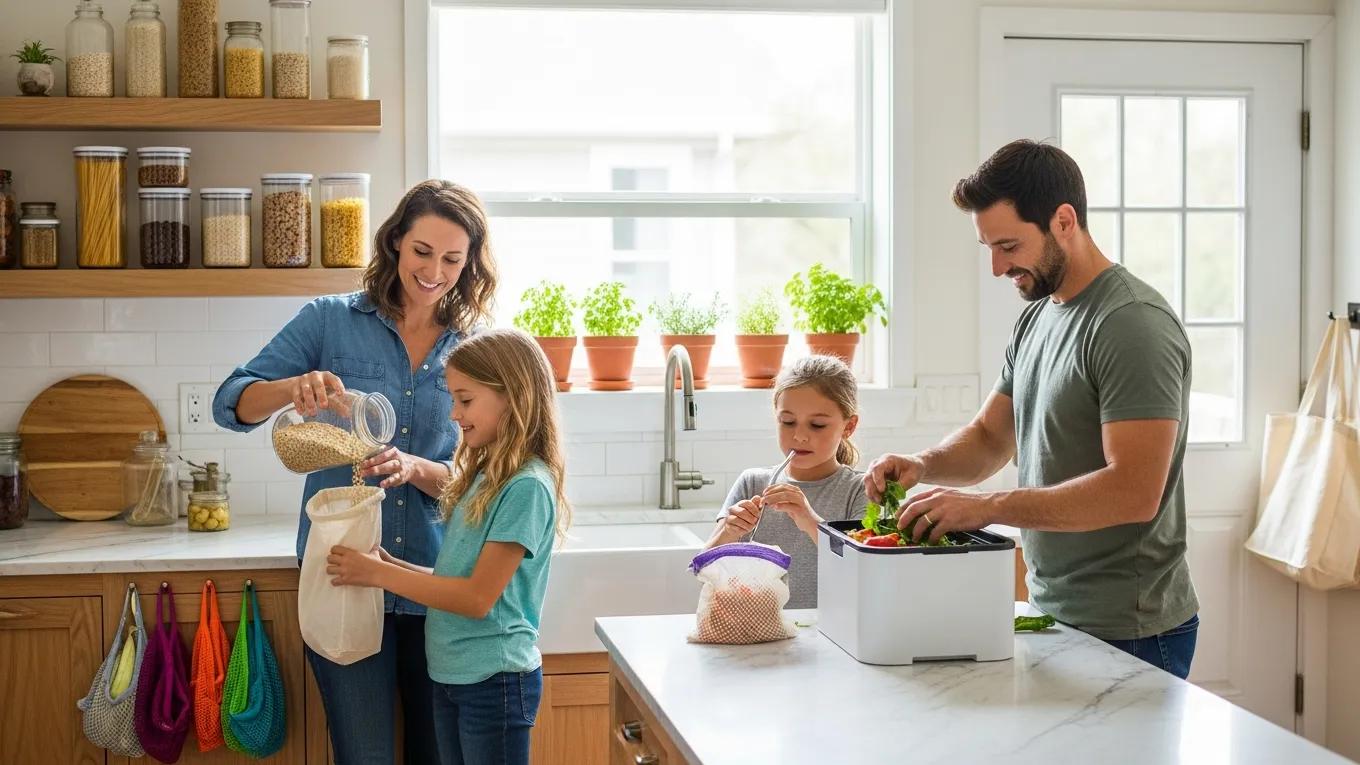
Zero Waste Living: Starter Tips and Sustainable Product Swaps for Reducing Household Waste
By Roddy Scheer, E — The Environmental Magazine
Embracing a zero waste lifestyle is a transformative journey that not only benefits the environment but also enhances personal well-being. This comprehensive guide covers essential starter tips, sustainable product swaps, and practical home waste reduction habits to help you reduce household waste effectively. Many individuals feel overwhelmed by the amount of waste they generate daily, but with practical strategies and eco-friendly hacks, anyone can make a significant impact. By adopting zero waste principles and integrating smart habits into your daily routine, you can minimize your ecological footprint while enjoying a more sustainable lifestyle. This article will provide you with actionable advice on product swaps, everyday waste reduction, and cultivating a zero waste mindset to support lasting change.
Starter Tips:
To embark on your zero waste journey, it’s crucial to start with actionable steps that can lead to meaningful change. Here are some foundational tips to help you begin:
- Conduct a Trash Audit: Take a week to track what you throw away. This will help you identify the main sources of waste in your household.
- Adopt the 5 Rs: Refuse, Reduce, Reuse, Recycle, and Rot. These principles guide you in making conscious choices that minimize waste.
- Make Simple Swaps: Replace single-use items with reusable alternatives, such as cloth bags instead of plastic ones.
These initial steps lay the groundwork for a more sustainable lifestyle, making it easier to implement further changes.
Sustainable Product Swaps:
Transitioning to sustainable products is a key aspect of reducing waste. Here are some effective swaps to consider:
- Reusable Bags: Opt for cloth or mesh bags for shopping instead of plastic bags.
- Bamboo Toothbrushes: Replace plastic toothbrushes with biodegradable bamboo options.
- Glass Containers: Use glass jars for food storage instead of plastic containers, which can leach chemicals.
By making these swaps, you not only reduce waste but also support products that are better for the environment.
Indeed, making conscious choices about the products we bring into our homes can significantly reduce waste and foster a healthier living environment.
Sustainable Product Swaps for Home Waste Reduction
Our home’s atmosphere is healthier and we eliminate product eliminates my need for disposable mop and dusting head clothes, therefore saving us money and reducing the waste I.
Clean and Green: Sustainable product swaps to protect your family and lessen your environmental footprint., 2022
Everyday Waste Reduction Habits for the Home
Beyond product swaps, integrating practical waste reduction habits into your daily life is essential for a comprehensive zero waste living approach. These eco-friendly hacks help reduce single-use plastics, repurpose household items, and promote smarter consumption throughout your home.
Reducing Single-Use Plastics Throughout the Home
Single-use plastics contribute significantly to household waste. You can reduce their presence by:
- Using reusable water bottles and coffee cups instead of disposable ones.
- Choosing bar soap over liquid soap in plastic bottles.
- Replacing plastic wrap with beeswax wraps or silicone lids for food storage.
Repurposing and Upcycling Household Items
Before discarding items, consider how they might be repurposed or upcycled to extend their life and reduce waste:
- Turn glass jars into storage containers or planters.
- Use old t-shirts as cleaning rags instead of paper towels.
- Transform worn-out furniture with a fresh coat of paint or new upholstery.
Smart Shopping Habits
Shopping with waste reduction in mind can make a big difference:
- Buy in bulk to minimize packaging waste and save money.
- Bring your own containers and bags to stores that allow it.
- Choose products with minimal or recyclable packaging.
Reducing Food Waste
Food waste is a major contributor to household waste. You can reduce it by:
- Planning meals ahead to buy only what you need.
- Storing food properly to extend freshness.
- Using leftovers creatively to avoid throwing away edible food.
DIY Cleaning and Personal Care Products
Making your own cleaning and personal care products reduces packaging waste and exposure to harmful chemicals:
- Create all-purpose cleaners with vinegar, baking soda, and essential oils.
- Make your own deodorant, toothpaste, or lotion using natural ingredients.
- Use reusable cloths and washable makeup remover pads.
Decluttering and Donating Instead of Discarding
When you no longer need items, avoid sending them to the landfill by:
- Donating usable goods to charities or thrift stores.
- Organizing swap events with friends or community groups.
- Recycling or responsibly disposing of items that cannot be reused.
Incorporating these habits into your daily routine complements product swaps and deepens your commitment to zero waste living.
Sustainable Living: Renting, Sharing, Repairing for Waste Reduction
Products, or they are renting or use-sharing some products instead of individually purchasing. They are repairing or refurbishing and utilizing waste to support sustainable.
Traces of cultural and personal values on sustainable consumption: An analysis of a small local swap event in Izmir,
Turkey, C Kaya, 2021
Building a Zero Waste Mindset
At the heart of zero waste living lies a mindset grounded in the 5 Rs: Refuse, Reduce, Reuse, Recycle, and Rot. This framework guides your decisions and behaviors toward minimizing waste and fostering sustainability.
Refuse means saying no to unnecessary items, especially single-use plastics and packaging. By refusing what you don’t need, you prevent waste before it starts.
Reduce encourages you to limit consumption and choose products with less environmental impact. This includes buying only what you need and selecting durable, long-lasting items.
Reuse focuses on extending the life of products through repair, repurposing, or sharing. This reduces demand for new resources and keeps items out of landfills.
Recycle is a last resort after refusing, reducing, and reusing. Proper recycling ensures materials are processed and reintroduced into the production cycle, minimizing waste.
Rot involves composting organic waste to return nutrients to the soil, closing the loop in your waste management.
Adopting this mindset transforms zero waste living from a set of actions into a holistic lifestyle philosophy. It empowers you to make conscious choices that align with environmental stewardship and personal responsibility.
Additional Tips:
Enhancing your zero waste efforts can be achieved through various additional strategies. Here are some suggestions:
- Compost Organic Waste: Start composting kitchen scraps to reduce landfill waste and create nutrient-rich soil for gardening.
- Shop Smarter: Buy in bulk to minimize packaging waste and save money. Bring your own containers to stores that allow it.
- Join Zero Waste Communities: Connect with local groups or online forums to share tips, resources, and support.
These additional tips can significantly amplify your impact on waste reduction.
Beyond individual product changes, a broader approach to sustainable living involves community engagement and resourcefulness, such as renting, sharing, and repairing items.
What Are the Essential Beginner Zero Waste Tips to Start Your Eco-Friendly Home Journey?
Starting your eco-friendly home journey involves understanding the core principles of zero waste living. Here are essential tips to guide you:
- Conduct a Trash Audit: Identify what you throw away most frequently to target specific areas for improvement.
- Adopt the 5 Rs: Embrace the principles of Refuse, Reduce, Reuse, Recycle, and Rot to guide your waste management.
- Make Simple Swaps: Begin replacing disposable items with reusable alternatives, such as stainless steel straws and cloth napkins.
These foundational practices will help you create a more sustainable home environment.
How Can You Reduce Household Waste with Simple Daily Habits?
Incorporating simple daily habits can lead to significant waste reduction. Here are some effective strategies:
- Bring Your Own Containers: When dining out or ordering takeout, bring your own containers to avoid single-use packaging.
- Plan Meals: Create a meal plan to minimize food waste and ensure you use ingredients before they spoil.
- Use Reusable Water Bottles: Replace single-use plastic bottles with a durable, reusable water bottle.
By integrating these habits into your daily routine, you can make a noticeable difference in your waste output.
Which Plastic Free Alternatives Are Easy to Adopt for Beginners?
Adopting plastic-free alternatives is a crucial step in the zero waste journey. Here are some beginner-friendly options:
- Reusable Water Bottles: Invest in a high-quality stainless steel or glass water bottle to eliminate plastic bottle usage.
- Cloth Shopping Bags: Use fabric bags for grocery shopping to avoid plastic bags.
- Beeswax Wraps: Replace plastic wrap with beeswax wraps for food storage, which are reusable and biodegradable.
These alternatives are not only easy to adopt but also contribute to a healthier planet.
Which Sustainable Product Swaps Make the Biggest Impact in a Zero Waste Lifestyle?
Certain product swaps can have a more significant impact on your waste reduction efforts. Here are some of the most effective:
- Reusable Bags: Switching to reusable shopping bags can drastically reduce plastic waste.
- Bamboo Toothbrushes: These biodegradable brushes help eliminate plastic waste from oral hygiene.
- Glass Containers: Using glass for food storage reduces reliance on plastic and is safer for food.
These impactful swaps can significantly contribute to a zero waste lifestyle.
What Are Effective Reusable Products to Replace Single-Use Plastics?
Replacing single-use plastics with effective reusable products is essential for a zero waste lifestyle. Consider these options:
- Reusable Bags: Ideal for shopping and carrying items, reducing the need for plastic bags.
- Bamboo Toothbrushes: A sustainable alternative to plastic toothbrushes that biodegrades after use.
- Beeswax Wraps: Perfect for covering food items, these wraps are a great substitute for plastic wrap.
These products not only help reduce waste but also promote a more sustainable lifestyle.
How Do Eco Friendly Home Tips Support Waste Reduction Strategies?
Implementing eco-friendly home tips is vital for supporting waste reduction strategies. Here’s how they contribute:
- Conduct a Trash Audit: Understanding your waste helps identify areas for improvement.
- Adopt the 5 Rs: These principles guide sustainable living and waste management.
- Make Simple Swaps: Replacing disposable items with reusable ones reduces overall waste.
By integrating these tips, you can create a more sustainable home environment.
How Can Composting Basics Enhance Your Zero Waste Living Efforts?
Composting is a powerful tool in the zero waste movement. Here’s how it enhances your efforts:
- Waste Reduction: Composting organic waste significantly reduces the amount of trash sent to landfills.
- Soil Enrichment: The compost produced is rich in nutrients, benefiting your garden or plants.
- Cost-Effective Fertilizer: Composting provides a free source of fertilizer, reducing the need for store-bought options.
These benefits illustrate the importance of composting in a zero waste lifestyle.
What Are the Step-by-Step Methods for Starting Composting at Home?
Starting composting at home can be straightforward. Follow these steps to get started:
- Choose a Composting Method: Decide between methods like bin composting, pile composting, or vermicomposting.
- Gather Compost Materials: Collect kitchen scraps, yard waste, and other compostable materials.
- Set Up Your Compost Bin: Create a designated space for your composting efforts, ensuring proper aeration and moisture.
These steps will help you successfully start composting at home.
Which Compost Bins and Tools Are Recommended for Beginners?
Selecting the right compost bins and tools is essential for beginners. Here are some recommendations:
- Types of Compost Bins: Consider options like tumblers, bins, or DIY compost piles based on your space and needs.
- Specific Product Suggestions: Look for bins with good ventilation and easy access for turning compost.
- Key Features to Consider: Ensure your compost bin is durable, easy to use, and suitable for your composting method.
Choosing the right tools will enhance your composting experience and effectiveness.
Where and How to Shop Bulk for Zero Waste: Tips and Plastic Alternatives?
Shopping in bulk is a great way to reduce packaging waste. Here are some tips for effective bulk shopping:
- Finding Bulk Stores: Look for local co-ops or grocery stores that offer bulk bins for grains, nuts, and more.
- Recommended Plastic Alternatives: Bring your own containers or bags to fill with bulk items, avoiding plastic packaging.
- Strategies for Minimizing Packaging Waste: Plan your shopping trips to maximize bulk purchases and reduce overall waste.
These strategies will help you shop more sustainably and effectively.
What Are the Benefits of Bulk Shopping for Reducing Packaging Waste?
Bulk shopping offers numerous benefits for reducing packaging waste. Here are some key advantages:
- Elimination of Excessive Packaging: Buying in bulk significantly reduces the amount of plastic and cardboard waste generated.
- Reduced Food Waste: Purchasing only what you need helps minimize food spoilage and waste.
- Support for Sustainable Practices: Many bulk stores prioritize eco-friendly practices, contributing to a more sustainable economy.
These benefits highlight the importance of bulk shopping in a zero waste lifestyle.
Emphasizing the importance of bulk shopping, research consistently shows how reducing plastic packaging through such methods is a key component of achieving zero waste objectives.
Zero Waste: Reducing Plastic Packaging with Bulk & Reusable Options
Understand how source reduction of plastic packaging can be an asset in a zero waste objective.
Consumer interest and willingness to pay for in-bulk products with reusable packaging options, V Patreau, 2023
Explore More Zero Waste Guides
To deepen your commitment to zero waste living, explore our comprehensive guides covering various aspects of sustainable living. These resources provide practical advice and inspiration to help you continue reducing your environmental footprint.