



Bring The Noise: How Soundscape Ecology Helps Conservationists
The study of soundscapes—the combination of natural & man-made sounds within an environment—yields research that ultimately can help conservation efforts.

The study of soundscapes—the combination of natural & man-made sounds within an environment—yields research that ultimately can help conservation efforts.

Getting an employer to green the workplace can be a challenge, but reminders about how doing right benefits the bottom line is a start.

Discover how thrifters are environmentalists by embracing circular fashion and promoting eco-friendly choices through thrifting.

Researchers are finding new links between exposure to microplastics and cancers in humans.

Allergy season seems to be worse than ever lately, and scientists are blaming — you guessed it — global warming.

Several cities and some countries instituted bans on plastic shopping bags but abandoned them during the COVID-19 crisis….
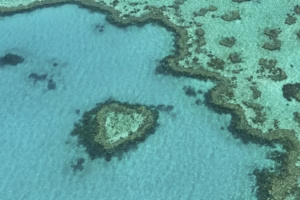
Global warming is causing significant biodiversity shifts worldwide. Explore the impacts on ecosystems, including the Great Barrier Reef.
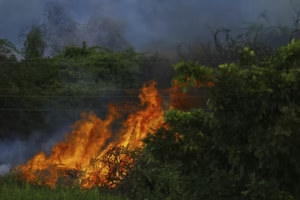
Wildfires leave not only forest decimation, property damage and lost lives in their wakes, but they also contaminate regional drinking water supplies.

Getting healthier foods into low income communities is the focus of several new innovative food security initiatives….

Motor boats are notorious polluters of the river, lake and ocean waters they ride on with the industry doing little to make it better.