
Circular Economy Guide for Consumers

The Consumer’s Guide to the Circular Economy: Practical Reuse Strategies and Sustainable Product Lifecycles
The circular economy offers a different way to buy, use, and dispose—one that keeps materials moving and reduces waste. This guide gives you clear, practical steps to reuse more, choose longer-lasting products, and understand how items move through their lifecycle. As concern for the planet grows, small changes by many people add up. Read on for concrete strategies you can use at home, in your neighborhood, and when you shop.
Practical reuse and lifecycle thinking are not just environmental choices; they are often economical and social. Reducing the need to buy replacements, choosing repairable products, and sharing goods with neighbors can lower household costs and create useful community connections. If you’re new to circular habits, start with one area—like kitchen containers or clothing—and expand gradually. Tracking small wins helps sustain change and makes the benefits visible to friends and family, increasing the chance others will adopt similar practices.
Key Takeaways
- The circular economy focuses on using resources more efficiently and cutting waste across a product’s entire lifecycle.
- Consumers can get better at reuse by switching to durable, refillable items, backing sustainable brands, and joining local sharing programs.
- Knowing a product’s lifecycle helps you evaluate durability, repairability, and end-of-life options before you buy.
- Following the 5 Rs—reduce, reuse, recycle, repair, rethink—makes circular practice practical every day.
- Adopting circular habits reduces landfill waste and supports broader climate goals.
- Recent trends show growing consumer interest in reuse and extending product lifespans.
- Stay current on circular economy developments through alerts, trusted sources, and community networks.
- Clear visuals and structured guidance make circular concepts easier to act on.
Strategies for Mastering Reuse

Making reuse part of your routine is less about perfection and more about practical swaps that stick. Focus on durable replacements, community options, and supporting products built to last. Below are easy, high-impact approaches you can start using today.
- Choose reusable essentials: Replace disposable bags, bottles, and utensils with long-lasting alternatives you actually enjoy using.
- Join community programs: Use tool libraries, clothing swaps, or repair cafés to borrow, share, and keep items in use longer.
- Buy from longevity-focused brands: Prioritize companies that design for durability, offer repairs, or provide refill systems.
These steps reduce waste and help normalize sustainable habits in your community.
To turn these strategies into a habit, create a simple three-step plan: identify the disposable items you use most, research one durable swap, and commit to that swap for a month. For example, choose a quality water bottle and a set of reusable containers, or sign up for one repair café event. Share progress with a friend or community group to stay accountable. Over time, the convenience and cost savings usually outweigh the small upfront effort of switching.
Understanding Sustainable Product Lifecycles
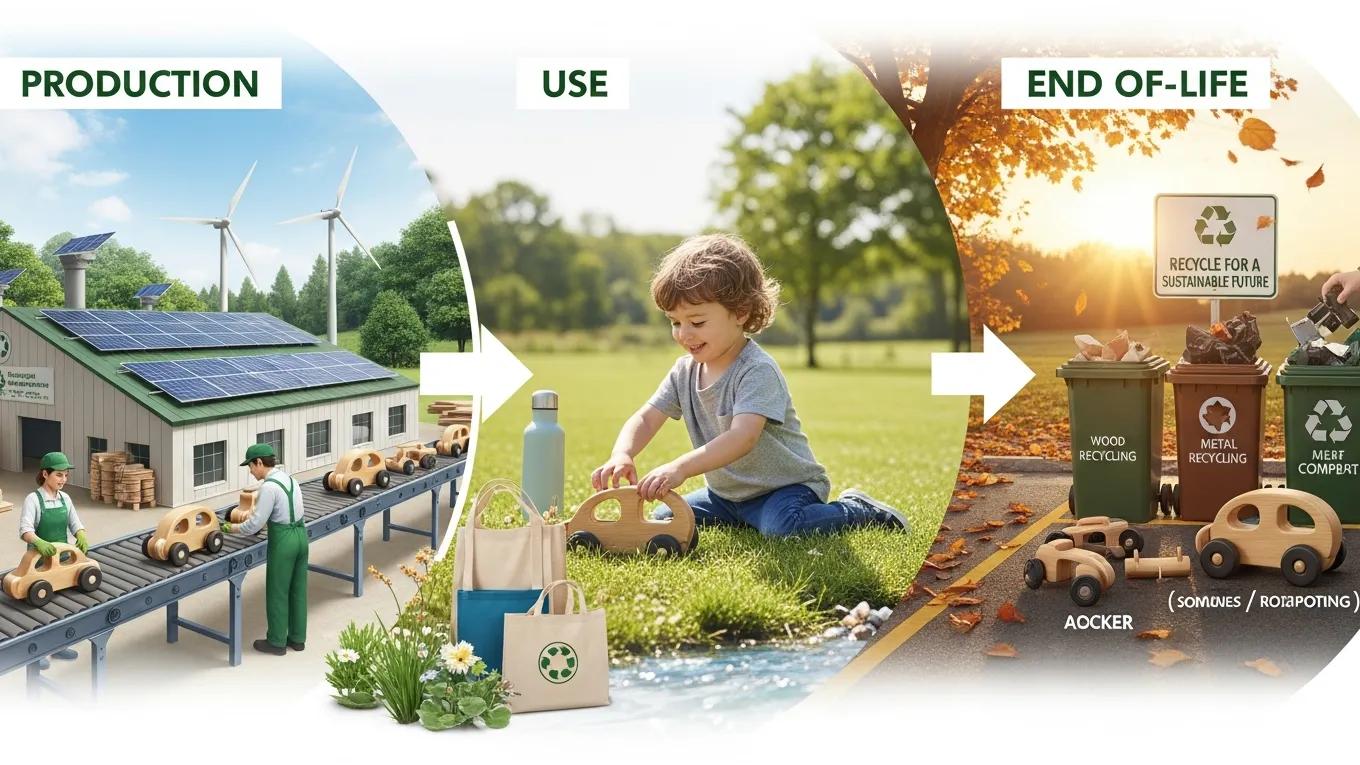
Thinking about a product’s lifecycle helps you judge its true environmental cost. Look beyond price and style: consider how it’s made, how long it will last, and what happens when you’re done with it. The points below make those choices easier.
- Assess lifecycle impacts: Consider resource extraction, manufacturing emissions, and transport when comparing products.
- Check certifications and labels: Certifications like organic, fair trade, or energy-efficiency markers can signal better practices—but read what they cover.
- Favor durability and repairability: Products designed to be repaired or upgraded cut long-term waste and cost.
Using these criteria helps you pick items that align with circular goals and lower your environmental footprint.
When evaluating a purchase, use a short checklist: What materials are used? Can the product be repaired or updated? Are spare parts available? Is there a take-back or recycling option from the maker? Asking a few questions at the point of sale helps reveal whether a low price masks higher lifetime costs. Keep a simple note on your phone with these questions so they become routine at stores and online checkout pages. For more on verifying claims and avoiding misleading information, see how to spot greenwashing in sustainability claims.
Practical Tips for Adopting Circular Economy Principles
Turn circular ideas into everyday habits with a few practical moves. Small adjustments add up quickly when they become routine. For more detailed guidance, see simple ways to embrace circular economy principles.
- Apply the 5 Rs: Reduce what you buy, reuse what you can, recycle responsibly, repair before replacing, and rethink consumption patterns.
- Plug into recycling and recovery systems: Use local recycling programs and take-back schemes to keep materials in use.
- Make mindful purchases: Prefer products with clear environmental benefits—long life, transparent supply chains, or refill options.
These simple actions make circular living practical and measurable.
Practical implementation often relies on small rules of thumb: carry a compact reuse kit (bag, cup, cutlery), keep a repair toolkit for small fixes, and label items meant for sharing so they return to the right owner. Track one measurable metric—like the number of single-use items avoided each month—to build momentum. Simple tracking turns abstract goals into concrete progress and helps you spot patterns where further improvements are possible.
What Is the Circular Economy and Why Does It Matter for Consumers?
The circular economy is a system that replaces “take-make-dispose” with reuse, repair, and resource recovery. For consumers, it means choosing products and services that keep materials circulating and reduce waste. Understanding this framework helps you make choices that save money, cut emissions, and extend product value.
Consumer choices are influenced by psychology and context—understanding those drivers is key to expanding circular habits.
Consumer Behavior & Strategies in the Circular Economy
The circular economy (CE) offers a transformative path that centers on resource efficiency and closed-loop systems to reduce waste and environmental harm. Current research highlights a gap in our understanding of the psychological and situational factors that shape consumer behavior within CE systems. The review prioritizes consumer roles—especially the pre-purchase decision—as strategic moments for intervention, and it synthesizes the factors that influence sustainable choices while mapping effective ways to encourage circular consumption.
The role of consumers in transitioning to a circular economy, K Keshavarz, 2025
- Resource efficiency: CE encourages smarter use of materials to lower environmental strain.
- Sustainable consumption: Actions like buying used or choosing durable goods support circular outcomes.
- Product lifecycle awareness: Knowing how items are made and disposed helps you choose better options.
Defining Circular Economy: Concepts and Core Entities
The circular economy brings businesses, consumers, and governments together to keep materials in use and reduce waste. Concepts like closed-loop systems, product-as-a-service, and design for repair all help create a system where fewer resources are wasted and value is preserved longer. For entrepreneurs and businesses interested in creating circular systems, learning how to build a circular economy business model provides a step-by-step framework to integrate these principles effectively.
How Circular Economy Supports Climate Change Action and Sustainability
By cutting the flow of materials to landfill and lowering production demand, circular strategies reduce greenhouse gas emissions. When consumers shift toward longer-lasting, repairable, or shared products, that collective behavior supports broader climate and conservation goals.
Government regulations and policy frameworks also play a crucial role in shaping circular economy adoption. Staying informed about evolving legislative developments can help consumers and businesses align with best practices and compliance requirements. For detailed insights, see circular economy policies in 2026, which outlines key policy trends and implications for stakeholders.
Which Reuse Strategies Can Consumers Adopt to Reduce Waste Effectively?
There are many practical reuse strategies that fit everyday life. The most effective combine simple swaps with community-minded practices to stretch the life of products and materials.
- Everyday reuse swaps: Use reusable bags, refillable bottles, and washable containers to cut single-use waste.
- Measure the impact of reuse: Track how replacing disposables reduces trash and resource demand over time.
- Tap into community sharing: Tool libraries, lending platforms, and swap events reduce the need for individual ownership.
These approaches reduce waste, save money, and strengthen local networks.
Practical examples across household areas make reuse tangible: in the kitchen, choose refillable cleaners and bulk food packaging; for clothing, mend or swap items and favor repairable footwear; for electronics, extend life with software updates and careful storage, and use communal borrowing for specialty tools. Building a short list of “replace” and “repair” items by room helps you tackle reuse systematically rather than feeling overwhelmed by every category at once.
Simple and Practical Reuse Methods for Everyday Life
Small changes—bringing a reusable cup, buying in bulk with refillable containers, or borrowing seldom-used tools—add up fast. Community initiatives like a “Library of Things” let you access items only when you need them, cutting both cost and clutter.
How Reuse Directly Contributes to Waste Reduction and Resource Efficiency
Keeping items in use reduces demand for new production, saving energy and raw materials. Reusing containers and textiles, repairing instead of replacing, and sharing goods all lower the volume of waste heading to landfill and reduce overall resource consumption.
Repair and maintenance deserve particular attention: learning simple fixes—sewing a hem, replacing a button, or tightening loose fittings—can extend item life by months or years. Local repair groups often offer workshops where you can build skills and confidence. Over time, these small repairs accumulate into significant resource savings and reduce the time and money spent replacing items.
How Does Understanding the Sustainable Product Lifecycle Enhance Consumer Impact?
Knowing a product’s lifecycle—from material sourcing through manufacture, use, and disposal—lets you weigh real environmental costs. That knowledge helps you pick products that perform better over time and generate less waste at the end of their life.
- Materials sourcing: Find out whether materials are renewable, recycled, or responsibly sourced.
- Manufacturing processes: Favor products made with lower-impact methods and transparent supply chains.
- End-of-life options: Prefer items that can be repaired, recycled, or composted instead of trashed.
These considerations help you buy less often and choose smarter when you do.
In practice, lifecycle thinking means planning for maintenance from day one: register warranties, keep receipts or serial numbers, and learn where to buy replacement parts. Even simple actions—like choosing washable filters, modular batteries, or replaceable components—change the conversation from disposable to serviceable and make repair and reuse the default option instead of the exception.
Exploring Product Lifecycle Stages: Production, Use, and End-of-Life
Each lifecycle stage is an opportunity to reduce environmental impact: choose sustainable materials at purchase, extend useful life during use through care and repair, and plan for responsible disposal or reuse at end-of-life.
Why Extending Product Lifecycles Benefits Circular Economy Goals
Longer-lasting and repairable products reduce the need for new goods and the resources they consume. Supporting brands that offer repairs, spare parts, or take-back programs helps shift the market toward designs that retain value and reduce waste.
What Are Effective Tips for Consumers to Adopt Eco-Friendly Habits and Reduce Waste?
Adopting eco-friendly habits is a step-by-step process. Start small, measure progress, and build systems that make sustainable choices easier and more routine.
- Step-by-step habit guide: Audit what you buy, replace single-use items with durable alternatives, and set one habit change per month.
- Adopt zero-waste practices: Focus on preventing waste—refill, compost, repair—rather than only recycling.
- Engage locally: Join neighborhood efforts to share tools, host swaps, or support repair events.
Little, consistent changes compound into meaningful reductions in waste and impact.
To make habit changes stick, tie them to existing routines: keep reusable bags by the front door, set a reminder on your phone to bring containers for bulk shopping, or add a weekly repair check to your calendar. Use simple apps or a paper log to note each avoided disposable; seeing accumulated savings in money and waste helps reinforce new behaviors and encourages you to add the next habit.
Step-by-Step How-To Guide for Sustainable Consumer Habits
Begin by tracking a week of consumption to spot quick wins—like skipping bottled drinks. Next, pick a reusable replacement and commit to it for 30 days. Finally, connect with a local group or online forum to swap tips and stay motivated.
Incorporating Zero Waste and Upcycling Practices into Daily Routines
Repurpose glass jars for storage, turn old shirts into rags or bags, and compost food scraps. Upcycling and repair not only cut waste but often produce useful, attractive items you’ll enjoy using.
Upcycling can also be social: host a small swap or workshop with friends to exchange ideas and materials. Sharing techniques multiplies the impact, and community events can turn individual creativity into scalable practices that feed local reuse networks over time.
What Are the Key Benefits of Circular Economy for Consumers and the Environment?
The circular economy delivers environmental and economic benefits: less waste, lower demand for raw materials, and savings from buying fewer replacements. It also supports broader climate goals by reducing emissions linked to production and disposal.
- Environmental advantages: Less landfill, reduced resource extraction, and lower emissions.
- Economic benefits: Savings from longer-lasting products, repair services, and shared-use models.
- Support for climate action: Collective circular behaviors help reduce carbon footprints at scale.
Environmental and Economic Advantages of Circular Consumption
Circular consumption cuts costs and environmental harm by emphasizing reuse, repair, and shared access. Consumers who adopt these practices often see lower lifetime costs and reduced waste streams.
How Circular Economy Supports Climate Action and Resource Conservation
Keeping materials in circulation reduces the need for new production, which in turn lowers greenhouse gas emissions and conserves resources. Everyday choices—repairing, buying used, or choosing refill systems—contribute directly to these outcomes.
Which Recent Case Studies and Statistics Highlight Circular Economy Impact in 2024-2026?
Recent studies and local examples show growing momentum: more consumers are choosing reuse and extending product life, and community programs are demonstrating measurable waste reductions. These stories point to scalable approaches that others can adopt.
- Trends in reuse and lifecycle extension: Research points to rising consumer interest in second-hand goods and repair services.
- Local success stories: Cities with tool libraries or regular swap events report reduced household waste and stronger community ties.
Data-Driven Insights on Consumer Reuse and Lifecycle Extension Trends
Recent data indicates an uptick in reuse: over 60% of people report actively seeking second-hand items or repair options. That shift reflects both growing environmental awareness and practical appetite for cost-saving circular choices.
Localized Examples Demonstrating Successful Circular Economy Practices
From neighborhood repair cafés to municipal reuse programs, local initiatives show how reuse and sharing reduce waste and strengthen social capital. These projects offer templates other communities can adapt.
When adapting these templates, consider asking local partners about logistics—where items are stored, how scheduling works, how volunteers are recruited, and how returned items are tracked. Simple operational thinking makes community programs resilient and easier for more people to join.
How Can Consumers Monitor and Stay Updated on Circular Economy Developments?
Keeping up with circular economy news makes it easier to spot new programs, products, and policies you can use. A few practical monitoring habits go a long way.
- Use alerts and tools: Set Google Alerts for key terms and subscribe to newsletters from sustainability organizations.
- Follow authoritative sources: Track reports from trusted NGOs, research centers, and government agencies for reliable updates.
- Join community conversations: Local groups and online forums share practical tips and announce opportunities for action.
Active monitoring helps you take advantage of new options and keeps your actions aligned with best practices.
Build a lightweight information routine: pick two newsletters, follow two local groups on social media, and check a trusted research brief once a month. Curate the noise—use foldered email lists, saved searches, or a feed reader—so useful updates reach you without overwhelming daily life. Sharing timely updates with neighbors multiplies the benefit and can spur local initiatives.
Using Tools and Alerts to Track Circular Economy and Sustainability News
Set up alerts for phrases like “circular economy,” “repair café,” or “product take-back” and subscribe to newsletters from reputable sustainability outlets. These quick steps surface actionable news and program launches you can use.
Engaging with Authoritative Sources and Reports for Ongoing Learning
Regularly read research briefs, government guidance, and NGO reports to understand trends and vetted best practices. Reliable sources help you separate meaningful developments from noise.
What Structured Data and Visual Aids Enhance Understanding of Circular Economy Concepts?
Structured data and visual tools translate complex ideas into actionable steps. They make it easier for people and search systems to find and use guidance on circular practices.
- Schema.org HowTo and FAQ markup: Using structured markup helps search engines display practical guidance and increases findability for consumers.
- Diagrams and infographics: Visuals that show product lifecycles and reuse flows make abstract ideas tangible and easier to act on.
Structured guidance helps both people and platforms surface practical steps—for example, how-to sequences, lists of materials, and troubleshooting tips that make repair and reuse easier to follow.
Implementing Schema.org HowTo and FAQPage Markup for Consumer Guidance
Adding HowTo and FAQ structured data improves the chance that practical steps and answers appear directly in search results, helping more people find hands-on guidance for circular living.
Using Diagrams and Infographics to Illustrate Product Lifecycles and Reuse Flows
Clear diagrams and infographics break down where environmental impacts occur and where reuse can make the biggest difference—helping readers prioritize actions that matter most.
Frequently Asked Questions
What are the main challenges consumers face when adopting circular economy practices?
Common barriers include low awareness of sustainable options, convenience biases toward single-use items, higher upfront costs for some durable products, and limited access to local repair or sharing services. Addressing these challenges means improving information, making reuse more convenient, and expanding community infrastructure.
How can consumers effectively participate in local circular economy initiatives?
Look for nearby tool libraries, repair cafés, swaps, and take-back programs. Volunteer, join neighborhood groups, or support local businesses that prioritize repair and refill services. Following community social channels or municipal sustainability pages helps you find opportunities.
What role do certifications play in guiding sustainable consumer choices?
Certifications (for example, Fair Trade, USDA Organic, or Energy Star) offer a shorthand that a product meets specific standards. They’re useful but not foolproof—check what each label covers and combine them with lifecycle and durability considerations when deciding.
How can consumers measure their impact on sustainability through circular economy practices?
Track metrics like reduced purchases, fewer single-use items, and waste diverted from landfill. Keep a simple log of reusable items used, repairs made, and second-hand purchases, or use apps that monitor sustainable behavior to see progress over time.
What are some innovative reuse ideas that consumers can implement in their daily lives?
Repurpose glass jars as storage, turn old textiles into useful household items, create a small compost system, or swap goods through local sharing platforms. Upcycling projects and community repair events are both creative and practical ways to extend product life.
How does consumer behavior influence the success of circular economy initiatives?
Consumer demand drives market change—when shoppers choose durable, repairable, or shared products, companies respond with better designs and services. Collective behavior also helps scale local initiatives, making circular options more available and affordable for everyone.
Conclusion
Adopting circular economy practices gives consumers a clear path to cut waste, save money, and support climate action. By learning product lifecycles, choosing durable items, and embracing reuse and community-sharing, you can make measurable progress. Start with one practical change today—whether a reusable bottle, a repair, or joining a local swap—and build from there.
Change compounds: one repaired product, one swap event attended, or one durable purchase shifts demand and makes circular options more visible and affordable. Keep the process simple, celebrate small wins, and invite others to join. Over time these individual actions add up to systems-level shifts that benefit communities and the environment alike.
For those interested in the financial aspects of adopting circular economy practices, understanding how much does it cost to transition to a circular economy can provide valuable insights into investment and cost considerations involved in this shift.