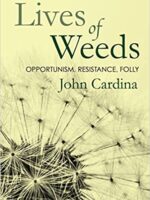
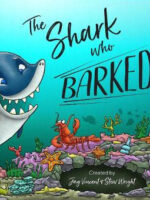
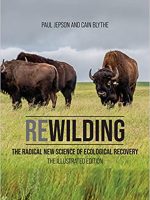
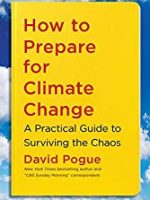
Top Environmental Books of 2023
This year has seen a surge in impactful environmental literature, with authors addressing pressing issues such as climate change, biodiversity loss, and sustainable living. These books not only inform but also inspire action among readers, making them essential reads for anyone passionate about the planet.
Notable titles include "The Uninhabitable Earth" by David Wallace-Wells, which explores the dire consequences of climate inaction, and "Braiding Sweetgrass" by Robin Wall Kimmerer, which combines indigenous wisdom with scientific knowledge to promote a deeper connection to the natural world. These books are pivotal in shaping public discourse around environmental challenges.
Impactful Authors in Environmental Literature
Several authors have emerged as leading voices in the field of environmental literature, each bringing unique perspectives and insights that resonate with readers. Their works often blend personal narrative with scientific research, making complex topics accessible and engaging.
Authors like Bill McKibben, known for his advocacy on climate change, and Elizabeth Kolbert, who examines the consequences of human activity on ecosystems, are just a few examples of those making significant contributions. Their writings not only educate but also motivate readers to take meaningful action towards sustainability.
How to Choose the Right Environmental Book for You
Selecting the perfect environmental book can be overwhelming given the vast array of options available. It's essential to consider your interests and the specific issues you want to explore, whether it's climate science, conservation, or sustainable living practices.
Look for books that align with your reading preference—whether you enjoy narrative storytelling, practical guides, or scholarly analysis. Additionally, check reviews and recommendations from trusted sources to find titles that resonate with your values and knowledge level, ensuring a fulfilling reading experience.
The Role of Literature in Environmental Advocacy
Literature serves as a powerful tool in environmental advocacy, raising awareness and fostering a sense of urgency around critical issues. Books can inspire readers to reflect on their relationship with nature and motivate them to engage in activism and policy change.
Through storytelling, authors can illustrate the impacts of environmental degradation on communities and ecosystems, making abstract concepts relatable. This narrative approach has proven effective in mobilizing public support for environmental initiatives and encouraging readers to adopt more sustainable lifestyles.