






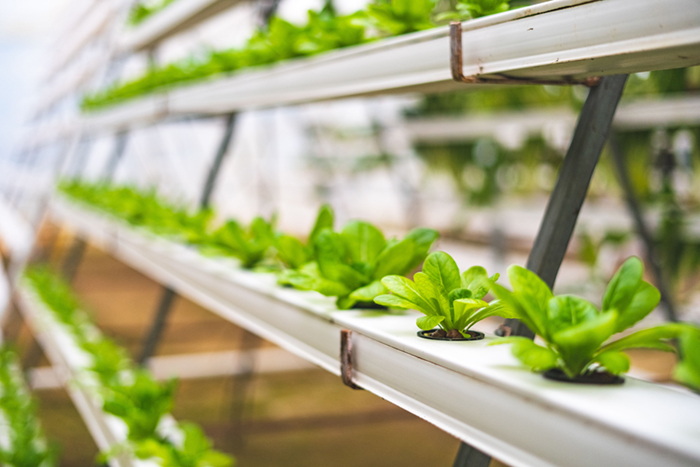
Soilless Farming: Better For The Planet?
Dear EarthTalk: What is “soilless” farming and is it better for the planet?
—B.R., via email
Farming is far from friendly to the environment. According to Our World in Data, 26 percent of greenhouse gas emissions come from food production and 50 percent of the world’s habitable land is used for agriculture. The Green Revolution solved the food shortage problem, but now, we humans need a new revolution to preserve and conserve natural resources– a “soil-less” revolution.
Three main types of soil-less farming are in practice today: hydroponics, aeroponics and aquaponics. Hydroponics, like its name suggests, cultivates crops in a nutrient-rich water supported by an inert medium such as perlite, coconut coir or rock wool. In aeroponics, plants are suspended in air and their roots are misted with a nutrient solution. Aquaponics has its roots in ancient China and Babylon. Essentially, it combines hydroponics and aquaculture in a symbiotic relationship. Fish and crops are raised together: fish waste fertilizes plants and plants purify water for fish.
A shift to soil-less farming can revert our current environment into a healthier, more balanced one. According to the World Wildlife Fund, “greenhouse hydroponics uses only 10 percent of the water needed for traditional farming.” Additionally, soil-less cultivation yields more crops and produces fresh fruits and vegetables on a year-round basis, thanks to the controlled growing environment. With reduced exposure to pests and diseases, crops require little to no herbicide, lowering the amount of toxic water run-off. Finally, soil-less farming is more compact. Acres of land once used for cultivation can be returned back to nature, increasing biodiversity.
However, challenges persist in making the switch. For one, the initial cost is tremendous. Soil-less farming relies more heavily on technology; in consequence, equipment and set-up costs run in the tens of thousands ($50k for 500 sq. ft.). Hydroponics, aeroponics and aquaponics also need more attention and technical expertise. Farmers must learn to manage new high-tech equipment and keep a watchful eye on the delicate nutrition balance. Besides the cost and human capital needed, soil-less farming is a high energy investment, which may offset any environmental gains. One study by World Wildlife Fund shows that the carbon footprint of lettuce grown on a traditional farm in California is less than that of a soil-less agricultural system. With more efficient technology, though, energy input can be reduced. Soil-less cultivation is the future for cleaner and more sustainable agriculture. Curious how plants can grow without soil? Try it yourself! Search up “at home hydroponic systems” and plenty of online resources can help you get started to an eco-friendly future.
CONTACT
EarthTalk® is produced by Roddy Scheer & Doug Moss for the 501(c)3 nonprofit EarthTalk. See more at https://emagazine.com. To donate, visit https://earthtalk.org. Send questions to: question@earthtalk.org.

Polyester Clothing & Microplastics In Our Bloodstreams
Dear EarthTalk: Is it true that polyester clothing might be a significant factor in the microplastics in our bodies and bloodstreams?
—Steve Wilson, New York, NY
Plastic in the 21st century can be described simply: ubiquitous. We see it in food packaging and water bottles, but it is also present in cosmetics and clothing. The invention of plastic in 1907 ushered in a new era of convenience. A story in Life magazine from 1955, “Throwaway Living,” encouraged housewives to ditch chores and turn to single-use disposable kitchenware, and plastic use never looked back. In the past few decades, plastic production skyrocketed to 8.3 billion tons as of 2021; According to the United Nations, polyester production alone has increased 900 percent since 1980.
When reflecting on plastic pollution, co-founder of Stanford Medicine’s Plastics and Health Working Group, Desiree LaBeaud, put it perfectly: “Plastic never goes away—it just breaks down into finer and finer particles.” Polyester fibers are extreme offenders when it comes to shedding microplastics. The fibers from polyester and nylon easily travel through air and water making them difficult to avoid.
One shocking headline says that we consume a credit card’s worth of plastic each week, while a less eye-catching article disputed that claim, estimating 23,000 years to ingest that amount. The reality of these vast differences is that there are no standardized methods to measure microplastics yet. When reviewing microplastics in 2022, The World Health Organization explained they could not come to a conclusion on their impact because of a lack of reliable data.
Nonetheless there is evidence that microplastics accumulate in the human body. We ingest it in our food and water, and it’s in our air. Per the Chair of Environmental Toxicology at City University in Hong Kong, small enough particles can even enter the body through the skin; not something you want to hear while wearing a polyester shirt. Initial observations suggest that microplastics may negatively impact digestive, respiratory, endocrine, reproductive and immune systems.
This is mostly observed in nonhuman animals thus far. Kara Meister, who studies microplastics’ roles in pediatric disease at Stanford Medicine says “probably within the next year or two we’ll have a couple more big landmark papers [which will inform us on the impacts of microplastics in humans].” Meister urges people not to succumb to “doomsday” thinking because we have plastics in our bodies. She instead encourages people to live a healthy lifestyle with good sleep, diet and stress management, saying “Giving your body the best shot to deal with whatever might come along is the best you can do.”
CONTACT
EarthTalk® is produced by Roddy Scheer & Doug Moss for the 501(c)3 nonprofit EarthTalk. See more at https://emagazine.com. To donate, visit https://earthtalk.org. Send questions to: question@earthtalk.org.

Are Agrivoltaics The Future Of Sustainable Agriculture?
Dear EarthTalk: What are agrivoltaics, and why are environmental advocates so bullish on it?
—Pat Billings, Butte, MT
Agriculture requires large amounts of resources, especially water and energy. Almost a third of global greenhouse gases are linked to agriculture. As world population grows, the demand for food and agricultural production only increases. That’s where agrivoltaics come in, utilizing land for both solar installation and agricultural production, fostering a symbiotic bond between agriculture and energy.
Agriovoltaics allows for more efficient land use while also protecting agricultural yields. Solar panels protect plants from intense weather conditions and prevent them from exceeding their light saturation point, while plants help keep solar panels cool. The protection of plants also protects economies that rely on agriculture. At the same time, solar energy can power essential agricultural needs like equipment. The excess energy produced in agrivoltaics is stored in battery banks or transmitted to the grid for other users.
Agrivoltaics represents the epitome of sustainable agriculture and climate resilience because of its ability to address various concerns. It also provides a renewable energy system that directly limits greenhouse gases by reducing reliance on fossil fuels, thus mitigating the carbon footprint involved in agriculture. Agrivoltaics also promotes water conservation by ensuring that plants are not oversaturated with sunlight.
Chad Higgins, an environmental engineer at Oregon State University, told Reuters in 2023 that agrivoltaics nullifies the choice between energy and farm production. “The solar versus ag debate is a non-starter…They’re [solar panels] like any other electronic device, they become more efficient as they become cooler, so it can be a truly symbiotic relationship.”
Challenges still exist, especially cost. The high start-up expenses and the difficulty in having farmworkers adapt to new systems are obstacles that reinforce the importance of realism. Still, the many advantages of agrivoltaics are a reason for optimism. According to Colorado State University, utilizing agrivoltaics for land systems can potentially increase farm productivity from 35 to 73 percent. Through prioritizing sustainability and energy efficiency, agrivoltaics embody a win-win situation.
Agrivoltaics is only becoming more popular. According to the U.S. Department of Energy, solar energy could jump from providing 4 percent of the U.S. electrical supply to 40 percent by 2035. Moreover, policy across the United States from Colorado to New York is working to increase awareness, research, and usage of agrivoltaics systems, amplifying it as the future of sustainable agriculture.
CONTACTS
EarthTalk® is produced by Roddy Scheer & Doug Moss for the 501(c)3 nonprofit EarthTalk. See more at https://emagazine.com. To donate, visit https://earthtalk.org. Send questions to: question@earthtalk.org.
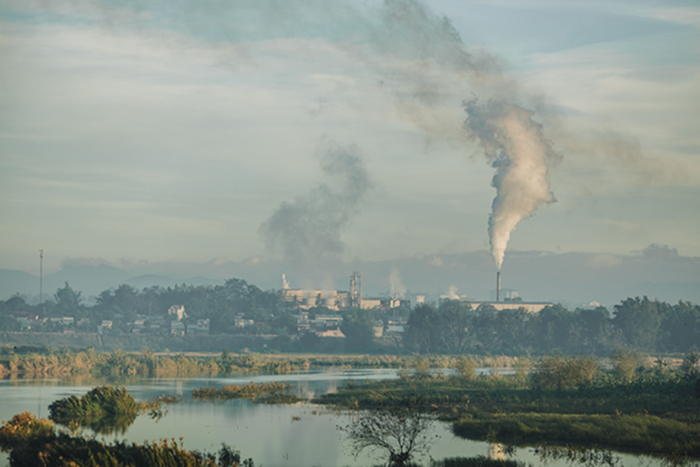
State Of The Art Pollution Tracking Key To Pollution Reduction
Dear EarthTalk: Why is real-time or near-time tracking of pollution and other environmental markers important today and who is leading the charge?
—Barry Jenkins, Erie, PA
Pollution tracking is a way of continuously monitoring the air quality of an environment. Though this technology has been used since the mid-20th century, it has become increasingly more reliable in recent years. Pollutants like carbon monoxide, nitrogen dioxide and others are detected and monitored by a variety of technological systems, providing key insights for scientists, researchers and the public.
Pollution tracking serves many roles, including providing a means to detect an issue and trigger a quick response to a rise in pollutants. This helps implement protections before the pollutant levels become dangerous. Also, pollution tracking helps educate the general public about the impact of poor air quality.
Recently, there have been various advances in real-time technology, making it more accurate and reactive. These improvements are essential for a speedy and precise response to a rise in pollutants. “Regulators can pinpoint precise interventions, and cities can compete on measurable impacts, not vague promises,” says Ingmar Rentzhog, the founder and CEO of We Don’t Have Time, the largest global climate action media platform. “Investors, regulators, insurers, and policymakers now have regular insight into exactly who is polluting, how much, and where.”
In addition, experts are developing a wider variety of detection systems for different settings. For example, continuous emissions monitoring systems are used by industries subject to regulatory emissions standards. Another form of pollution monitoring is a geographic information system, which creates spatial data that can be used by environmentalists and policymakers. Indoor air quality monitoring systems are useful for businesses and individuals monitoring healthy enclosed environments.
There are many groups leading the charge toward faster, more reliable pollution detection. Climate TRACE is one group that is publishing reports accessed by large audiences. “Worldwide, we’re seeing the rapid rise in clean energy jobs overtake dirty energy jobs, and we’re seeing people all around the world continue to demand that we respect their future,” says Al Gore, one of Climate TRACE’s founders. Such tracking can have a profound impact on legislation, too. “This is a tool to show the threat to our own children…and politicians are going to have to yield to this technology,” says Jay Inslee, former governor of the State of Washington.
Readers interested in getting involved can stay updated by reading pollution tracking reports from Climate TRACE or other sources and take measures to reduce carbon emissions and air pollutant production.
CONTACTS
EarthTalk® is produced by Roddy Scheer & Doug Moss for the 501(c)3 nonprofit EarthTalk. See more at https://emagazine.com. To donate, visit https://earthtalk.org. Send questions to: question@earthtalk.org.

Mitigating Climate Change One White Roof At A Time
Dear EarthTalk: What is the “white roofs” movement all about and could this really be an effective way to combat climate change?
— K.M., via email
 The “white roofs” movement is a clever way to combat sweltering summers and reduce greenhouse gas emissions. White roofs have been a long-standing solution to the heat in many countries with intense climates, with even the ancient Greeks and Egyptians building white roofs to keep out the heat. U.S. Energy Secretary Steven Chu declared that white roofs “are one of the quickest and lowest cost ways we can reduce our global carbon emissions and begin the hard work of slowing climate change.”
With a coat of fresh white paint, the interior temperature of a house can be cooled by up to 41 degrees Fahrenheit, making air conditioners less needed and therefore fighting carbon emissions. But what is the science behind this? Well, have you ever been told not to wear black clothing on a hot day? The opposite is true for white. White does not absorb any visible wavelengths; All light is reflected. On the other hand, darker colors absorb light, which contributes to hotter surface temperatures in an urban setting.
Taking steps like this to conserve energy is crucial, and white roofs are part of the overall fight. A benefit of white roofs is the low cost and immediate effect. On a large scale, white roofs can reduce city wide temperatures and mitigate hot climates where the heat is typically trapped in darker buildings.
Critics call the “white roof” movement greenwashing, because by encouraging it as the solution to global warming, some people don’t understand its real limits. In colder climates, reflecting light may actually increase the demand for heat. It has even been suggested that white roofs could potentially cause increased global temperatures, since light is reflected into the atmosphere. Using white roofs is still a valuable tactic, especially in hot climates, and if it ever got to a worldwide scale, it would be as if we had stopped using 300 million cars for 20 years. Scientist at the Berkeley Lab Surabi Menon notes that “These offsets help delay warming that would otherwise take place if actual CO2 emissions are not reduced.”
To skillfully create a white, reflective barrier to the sun, it is important to identify existing issues with your roof, a budget, and the right products and suppliers. Painting your roof white can be a great way to reduce both your carbon footprint and the amount of money you spend on electricity. As a community, it is important to spread awareness about this potential solution. Through social media, family and friends, encourage others to educate themselves about white roofs to understand whether it would be most beneficial to them and the environment.
CONTACT
EarthTalk® is produced by Roddy Scheer & Doug Moss for the 501(c)3 nonprofit EarthTalk. See more at https://emagazine.com. To donate, visit https://earthtalk.org. Send questions to: question@earthtalk.org.

Spotting Social Media Misinformation On Climate Change
Dear EarthTalk: How can I spot social media misinformation regarding climate change and what can I do to combat it?
—Maurice Maloney, Providence, RI
 Climate misinformation is a term that refers to false or deceiving claims about climate change, sustainability, or climate solutions. Disinformation spreads rapidly and creates tension around environmental issues. Misinformation also “fuels political extremism and puts lives at risk,” according to COP30 Special Envoy for Information Integrity Frederico Assis.
Researchers at Texas A&M University and Ripple Research, a non-profit advisory firm, found that misinformation is typically centered around two narratives, claiming either environmental research is invalid or solutions are not viable. “One of the most powerful [types of disinformation] is saying that it’s too late,” says UN Verified Champion Maria Clara Moraes. These false claims are hindering advancements towards climate change solutions and sustainability initiatives, as recognized in November 2025 at COP30, the United Nation’s 30th Climate Change Conference. “There is a broad recognition that disinformation can affect and compromise every part of the COP process,” says Assis, “diplomatic negotiations, the action agenda, or mobilization and summits. All out efforts will be at risk if we fail to tackle disinformation properly, which stems from denialism.”
Communities and organizations around the globe are working together to fight the spread of misinformation. For example, COP30 hosted twelve nations who created a program against misinformation and signed the first Declaration on Information Integrity on Climate Change. Brazil’s Secretary of Digital Policies João Brant says the goal is to “create a wave of truth”. Brazil was one of the many initiators of the Declaration. The initiative’s global fund has generated support from around 100 countries who have submitted about 450 proposals, according to UN News.
In addition to global action, individual decisions can weaken the influence of misinformation. If a post or article lacks a credible source, employs strong emotional appeals, presents logical fallacies, or includes cherry-picked data, conduct more research to determine the statement’s credibility. Readers can use fact-checking websites such as Science Feedback and FactCheck to help assess a source’s reliability. If a reader chooses to respond to or comment directly on the misinformation, they must act diligently to not inadvertently magnify the false claim on a social media algorithm. For example, when responding to misinformation, do not repeat the false claim itself. Experts say anyone commenting on a misinformation post or article should address it with a “truth sandwich”: start by relaying the truth, address the false claim without repeating it, and then end the comment with a truthful statement. Commenters should also include credible sources and scientific studies when responding. Additionally, many social media algorithms allow users to report posts that include false claims. Readers can work together to stop misinformation by staying alert online, acting diligently, and responding to false claims in an effective way.
CONTACTS
- How to fight climate change misinformation
- Climate Disinformation Booms As Extreme Weather Threats Grow
- ‘A wave of truth’: COP30 targets disinformation threat to climate action
EarthTalk® is produced by Roddy Scheer & Doug Moss for the 501(c)3 nonprofit EarthTalk. See more at https://emagazine.com. To donate, visit https://earthtalk.org. Send questions to: question@earthtalk.org.

The Planetary Health Diet: Healthy You, Healthy Earth
Dear EarthTalk: Since the food we eat is an important environmental factor in our health, what foods are the healthiest for our bodies and the planet?
—Jan Harmon, New York, NY
In a world increasingly aware of climate change and public health crises, our food choices and diet have become a focus. The foods we eat not only affect our health but also the health of our planet. From the moment a crop is harvested to when it reaches our plates, every step, including processing, packaging, transport and storage, leaves a footprint on the environment. Meat production, in particular, requires large tracts of land and undergoes ample processing, making carnivorous diets detrimental to the environment.
A plant-based, whole-food, and minimally processed diet is typically both human- and planet-friendly. As per scientific evidence, the EAT-Lancet Commission, a global scientific collaboration of researchers which formed to define a “Planetary Health Diet,” concluded that foods such as fruits, vegetables, whole grains, legumes and nuts are less processed, use fewer resources, and generate fewer emissions. Moreover, these nutrient-rich foods are packed with essential fibers and minerals that improve digestion and reduce inflammation. Food habits of a vegetarian diet center on going meat-free, but with the inclusion of dairy and eggs. Vegan diets go one step further, eliminating all animal products and relying completely on plant-based foods. The Mediterranean diet, rich in vegetables, whole grains, beans and lentils, is considered to be gut-friendly and sustainable while also being quite flavorful. Lastly, the flexitarian diet, as the name suggests, offers a flexible and approachable move to sustainable eating by emphasizing plant-based foods while still allowing eggs, fish and occasional meat.
Transitioning to a new diet can be challenging due to various factors, including habit and availability. But taking some simple and gradual steps can make this goal achievable. Choosing more plant-based foods is one of the most effective ways to reduce one’s carbon footprint, as it also remarkably reduces meat intake. According to the Environmental Protection Agency, the transportation of food is a bigger contributor of greenhouse gas emissions than agriculture itself. Hence, to minimize these effects, eating locally and seasonally is the way to go, as this reduces lengthy transport. One major concern when changing diets is meeting protein needs; however, this can be addressed with nutrient-rich alternatives like tofu, lentils and legumes. According to Dr. Stephen Devries from the American Medical Association, “We know from a health standpoint that replacing beef with plant sources of protein is associated with a whole host of health benefits, from reduced risk of diabetes to lower risk of cardiovascular disease.”
CONTACTS
- Best Diets for the Environment
- Four Easy Changes for an Environmentally Sustainable Diet
- Food and Climate Change: Healthy diets for a healthier planet
EarthTalk® is produced by Roddy Scheer & Doug Moss for the 501(c)3 nonprofit EarthTalk. See more at https://emagazine.com. To donate, visit https://earthtalk.org. Send questions to: question@earthtalk.org.

Barred Owls In Federal Crosshairs For Threat To Spotted Owls
Dear EarthTalk: Is it true the federal government is planning to slaughter 450,000 wild owls in the Pacific Northwest? How do environmentalists feel about it?
—Paula T., Bend, OR
In 2025, the federal government released a controversial plan to remove 450,000 barred owls from Pacific Northwest forests in an attempt to protect the endangered spotted owl population. According to the U.S. Fish and Wildlife Service (USFWS), the number of spotted owls dropped by 75 percent over the past two decades and were officially classified as endangered in December of 2020. Environmental advocates are split over the issue: Is removing one owl species to protect another truly an ethical decision, or is it a necessary step towards creating safe habitats for endangered species?
Many officials agree that barred owl removal is an unfortunate but essential way to maintain the diminishing spotted owl population. Over time, barred owls have invaded the west coast, the spotted owls’ natural habitat. Barred owls are east coast natives and much larger than spotted owls, giving them an advantage in the western ecosystem. The plan would remove less than one percent of the barred owls, which some experts believe is a minimal cost to protect the mere 15,000 spotted owls left in the U.S.
“Without actively managing barred owls, northern spotted owls will likely go extinct in all or the majority of their range, despite decades of collaborative conservation efforts,” says Kessina Lee, the U.S. Fish and Wildlife Service Oregon state supervisor. “This isn’t at all about one owl versus another,” agrees Bridget Moran, another U.S. Fish and Wildlife Service official. “This is about having spotted owls. If we do nothing, we will have only barred owls. If we do something, we’ll have both.”
Many advocates have taken the opposing side, arguing that such a plan will lead to more destruction. Animal Wellness Action, a wildlife protection lobbyist group, filed a lawsuit against the strategy. They alleged that the USFWS did not thoroughly consider the impact and neglected alternative options, thus violating the National Environmental Policy Act. “The vastness of physical geography of the ‘control area’ makes the plan unworkable and impractical,” says Wayne Pacelle, president of Animal Wellness Action. In March 2025, 19 lawmakers wrote a bipartisan letter asking the federal government to abandon the strategy. The letter argued that barred owls were not invasive, but instead an important part of the ecosystem. That said, the U.S. Senate voted 25-72 against the effort to stop the plan in October 2025.
Readers interested in getting involved can call your congressional representatives to take action.
CONTACTS
- To save spotted owls, officials plan to kill a half-million of another owl species
- Senate declines to halt plan to kill off half-million barred owls by Fish and Wildlife Service
EarthTalk® is produced by Roddy Scheer & Doug Moss for the 501(c)3 nonprofit EarthTalk. See more at https://emagazine.com. To donate, visit https://earthtalk.org. Send questions to: question@earthtalk.org.
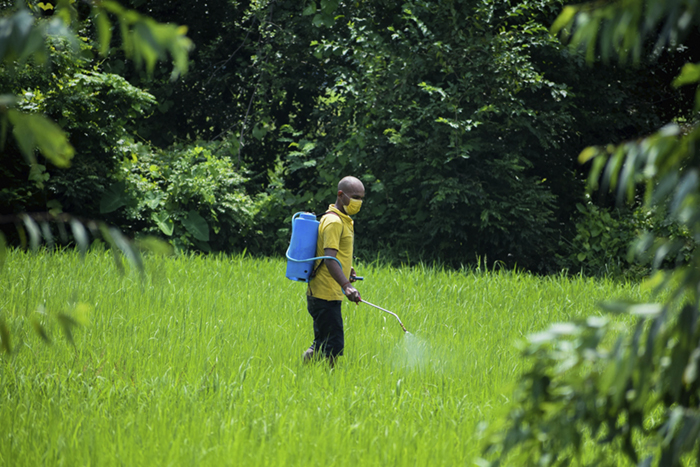
Are Pesticides Worth It? Trading Off Human Health For Less Bugs
Dear EarthTalk: What does the science say about how common pesticides affect human health?
—Jay Jackson, New York, NY
Pesticides are used to control the spread of or eliminate pests in the agricultural field. The primary purpose of using them is to control invasive species that can impact crop growth. By using pesticides, crop yield is increased, leading to a higher supply of a particular crop. Some of the most commonly used pesticides are herbicides, insecticides and fungicides (to control plants, insects and fungi, respectively).
While pesticides have benefits in the agricultural industry in increasing crop yield, pesticides are not only harmful to pests; they can harm humans as well. “Early symptoms of pesticide exposure can include headaches, nausea, dizziness and respiratory secretion,” says Michelle Perro, founder of GMOScience, a non-profit which facilitates discussion among physicians about the impact of genetically modified crops.
Prolonged exposure to pesticides can also lead to skin and eye irritation. Additionally, more serious conditions linked to pesticide exposure include cancer and neurological disorders.
Several studies have been conducted that back the idea that pesticides have detrimental effects on human health. A study conducted by the National Institutes of Health (NIH) after reviewing the prominence of pesticides and the impact of pesticide residue asserts that exposure to pesticides is indeed a health concern, especially for farmers. Gabriel Counsens, a homeopath and author, says there is “suggestive evidence that the use of pesticides…increas[es] the incidence of Parkinson’s disease up to seven times.”
Pesticides can harm us in many ways. In 2014, there was a case of pesticide poisoning in the Bordeaux region of France. There, 23 schoolkids experienced nausea, headaches and skin irritation after fungicides were sprayed in vineyards near their school. Pesticide traces in water and food are also common.
There have been efforts to regulate the use of pesticides to mitigate their impact on human health and the environment. The U.S. Environmental Protection Agency (EPA) has regulations in place to assess the risk of various pesticides. Agreements like the Rotterdam Convention, a treaty among countries engaged in the trade of harmful chemicals, also promote responsible pesticide management.
Consumers can also play a role in pesticide impact mitigation. By thoroughly washing produce, we can lower the chances of exposure. Additionally, by supporting sustainable practices and Integrated Pest Management, we can advocate for a shift to an agricultural industry with fewer pesticides. Finally, by supporting organizations such as the Pesticide Action Network and local pesticide regulation organizations, we can educate ourselves and advocate for more sustainable practices.
CONTACTS
EarthTalk® is produced by Roddy Scheer & Doug Moss for the 501(c)3 nonprofit EarthTalk. See more at https://emagazine.com. To donate, visit https://earthtalk.org. Send questions to: question@earthtalk.org.

Solar Powered Trains Show Promise For Short Hops
Dear EarthTalk: Is anybody working on solar-powered trains, and if so, when will they be ready for prime time?
—Paul Best, Los Angeles, CA

Solar-powered trains run on the Sun’s energy to operate, via solar panels placed on train stations, on the roofs of trains, or most commonly, from the rail tracks. They also often gain indirect energy from the sun, using electricity from solar farms that is sometimes stored in batteries to facilitate auxiliary functions other than propulsion, including lighting, ventilation and GPS systems. Most solar train travel as of 2026 has been for short distances, optimal for tourism and urban shuttles, like the Byron Bay Train in Australia.
However, there are significant plans to achieve long-term solar train travel across the world. Unlike traditional diesel-powered trains, solar-powered trains are highly sustainable and offer an improved climate future because they rely on clean and renewable energy. Like other renewable energy sources, solar power improves the environment because it decreases environmental tensions and pollutants that arise with the use of fossil fuels.
In 2019, the International Earth Agency predicted that the global rail network could expand to almost 2.1 million kilometers by 2050. In 2024, Argentina unveiled its first solar-powered tourist train with a range of about 41 kilometers. Since introducing their first solar-powered train in 2017, India has also joined the effort. Indian Railways plans to develop 20 gigawatts of solar energy in vacant lands by 2030. The U.K. and Switzerland have also made efforts to introduce solar energy in train travel.
In 2017, Alice Bell, co-director at the U.K. climate change group Possible, wrote in The Guardian, “We think solar could power 20 percent of the Merseyrail network in Liverpool, as well as 15 percent of commuter routes in Kent, Sussex and Wessex…trains and trams all over the world could be running on sun in a few years’ time.” Approved in 2008, California’s solar-powered high-speed train will run approximately 1287.5 kilometers and is the first of its kind across the world. This train is set to be completed in 2030 and hopes to connect to cities like Vancouver, San Diego and Los Angeles.
While solar-powered train projects are promising, they still face financial, operational and timing challenges. Many have to do with train maintenance and durability, which can impact the safety of train operations. Nevertheless, solar trains could completely shift the current state of climate-conscious transportation.
CONTACTS
EarthTalk® is produced by Roddy Scheer & Doug Moss for the 501(c)3 nonprofit EarthTalk. See more at https://emagazine.com. To donate, visit https://earthtalk.org. Send questions to: question@earthtalk.org.

Can My House Be A Net Zero Home?
Dear EarthTalk: What is a “net-zero” home? Does it have to be new construction or can I retrofit an older home to be “net-zero”?
—Peter B., Boulder, CO
As the impact of climate change becomes more severe, homeowners are adopting sustainable practices in order to reduce their carbon footprint. One method getting much attention is the “net-zero” home. A net-zero home is designed or upgraded to generate as much energy as it consumes over the year. With time, net-zero homes are becoming more readily available in the US, Canada and Europe. “The zero-energy trend is irreversible,” say the Zero Energy Project, accounting for 28,000 net-zero homes in North America. Key benefits include reduced greenhouse gas emissions, lowered energy bills, and much more.
Primary features of a net-zero home include insulation to prevent heat loss, energy-efficient models of domestic appliances, airtight construction and renewable energy systems such as solar panels. A common misconception is that net-zero energy can only be achieved by new construction, but many homes can be retrofitted to reach or approach net-zero. Transforming existing homes to net-zero can be achieved through a framework of steps, typically beginning with assessing current energy efficiency. From there, homeowners can incrementally invest in improving insulation, upgrading to energy-efficient equipment, optimizing ventilation systems, and lastly, switching to renewable energy sources. This approach ensures that the energy demand is lowered before using clean energy, making the process efficient and effective.
Retrofitting has many advantages besides being eco-friendly. There are economic benefits, including increased home value. However, retrofitting can pose its own drawbacks: Older homes may be subject to design limitations that hinder full energy optimization, and most important, it can be quite costly. However, government support through tax credits, rebates and low-interest loans can help cover the upfront costs of net-zero upgrades. According to the U.S. Department of Energy, “You can benefit from energy-efficient financing whether you’re buying, selling, refinancing or remodeling a home.”
On the other hand, new construction offers a blank slate. Builders have complete control over design, materials and technology. New net-zero homes are also built in compliance with current regulations. As a result of these benefits, they often meet true net-zero goals. However, the high upfront costs and a smaller pool of new homeowners make this option less feasible. In comparison to new construction, retrofitting is a more sustainable, time and cost-friendly approach. Ultimately, the goal is not perfection, but rather progress towards a clean and healthy environment. Hence, even if achieving full net-zero is not possible, making considerable strides towards greater energy efficiency is a step in the right direction.
CONTACTS
EarthTalk® is produced by Roddy Scheer & Doug Moss for the 501(c)3 nonprofit EarthTalk. See more at https://emagazine.com. To donate, visit https://earthtalk.org. Send questions to: question@earthtalk.org.

See Them While You Can: Australia’s Koalas May Have Less Than 30 Years Left
Dear EarthTalk: How are Australia’s koalas doing these days?
—M.M., Wilmington, DE
Koalas are facing a serious risk of extinction within the next few decades. Experts warn that without urgent action; these beloved animals could disappear from Australia in just 20–30 years. Populations have already crashed due to major events like the 2019 Black Summer Bushfires, which killed thousands and destroyed large areas of their natural habitat. Once widespread across the eastern and southern coasts, koalas have suffered drastic population declines, with fewer than 64,000 koalas left in the wild.
Habitat loss is one of the biggest threats. Rapid urban expansion and agricultural development are replacing the eucalyptus that koalas rely on for food and shelter. Fragmented habitats make it difficult for koalas to find mates, reproduce successfully and maintain healthy populations. As their living space shrinks, they are forced into areas with greater human presence, exposing them to additional dangers.
Climate change is also worsening the situation. Rising temperatures, prolonged droughts and frequent bushfires are destroying food sources and drying up water supplies. Eucalyptus leaves, which make up almost the entire koala diet, are becoming less nutritious and more toxic under extreme climate stress. With fewer healthy trees to feed from, koalas grow weaker and more prone to disease. Bushfires like in 2019 destroy thousands of hectares of forest, killing countless koalas and leaving others with severely reduced habitats. Human-related and biological issues further threaten koalas. Disease spreads more easily and can cause blindness, infertility and death. Road strikes and domestic dog attacks are also problematic.
Conservation programs are trying to help koalas. “When we look at koala conservation…we need to take a holistic approach because disease and environmental factors are linked,” said Dr. Michaela Blyton of The University of Queensland. The Wild Koala Conservation Breeding Program at Guulabaa, run along with the Taronga Conservation Society, focuses on breeding healthy wild koalas. By using natural forested enclosures, joeys can stay with their mothers for about 12 months before being released into carefully chosen wild habitats. This program aims to boost wild populations and maintain genetic diversity.
These efforts are critical to rebuilding wild populations and securing the species’ future. Released koalas are scientifically monitored for health, survival and reproduction to ensure long-term success. With stronger habitat protection, climate resilience measures, and community involvement, experts believe koalas can recover. If Australians commit to restoring forests, reducing land clearing and supporting conservation efforts, future generations may still hear the soft grunts of wild koalas echoing through eucalyptus trees!
CONTACTS
EarthTalk® is produced by Roddy Scheer & Doug Moss for the 501(c)3 nonprofit EarthTalk. See more at https://emagazine.com. To donate, visit https://earthtalk.org. Send questions to: question@earthtalk.org.

Bring The Noise: How Soundscape Ecology Helps Conservationists
Dear EarthTalk: How does “soundscape ecology” help the environment?
—L.M., via email
A vast web of species, including humans, connect ecosystems across the globe. Understanding the interactions animals have with their environments reveals that sound is key to that connection. Soundscapes are the combination of all natural and man-made sounds within an environment. Three major sound types contribute to a soundscape: sounds generated by organisms, non-living natural sounds (like from sunlight, water, soil, air and temperature), and sounds from humans or human-made technology. They are referred to as biophony, geophony, and anthropophony respectively.
The study of bioacoustics has shown how vital soundscapes are for inter- and intra-species interactions. Maia Persche, a field biologist and bioacoustics researcher at Baraboo Hills Research Collective, explains the complexity of a soundscape: “…species that evolve together in an ecosystem all call at a different time or pitch, so their calls don’t overlap, and they can be heard above the background… Like, if two frog species call at the same time, maybe one will have a high pitch, and one will have a low pitch. Or if they have the same pitch, they might call at different times of the day.”
The primary disruptor of natural soundscapes is anthropophony, or noise pollution. Noise pollution impacts species behaviors and can cause habitat fragmentation. Due to different levels of tolerance for acoustic disturbance, a habitat may be inaccessible to animals even if it appears intact, due to noise infiltration. Noise pollution also affects humans. According to UCLA Health, chronic exposure to high decibels is linked to an increase in stress hormones, risk of heart disease, and cognitive impairment.
Silence is not the solution, but instead we must embrace and recapture natural soundscapes. Landscape architects, like Ohio State University’s Dorothée Imbert and her students, are incorporating soundscape ecology into new designs. Their novel proposals at Floyd Bennett Field in Brooklyn, New York, include raised bluffs and an “acoustic planting matrix.” This strategy uses native plants to dampen noise in some areas and attract noise-tolerant animals to others. The pursuit of natural soundscapes is not limited to land. Coral reefs, teeming with life, are also being researched. A study by Timothy Gordon with the University of Exeter found that introducing healthy reef soundscapes to dead reefs improved fish presence.
Whether improving the environment for sensitive species or human wellbeing, natural soundscapes achieve meaningful goals. You can start by actively engaging with local planning processes, like attending annual master plan meetings. This is a great way to advocate for a step toward soundscape harmony and away from noise pollution.
CONTACTS
EarthTalk® is produced by Roddy Scheer & Doug Moss for the 501(c)3 nonprofit EarthTalk. See more at https://emagazine.com. To donate, visit https://earthtalk.org. Send questions to: question@earthtalk.org.

Getting The Boss To Go Green At Work May Be Easier Than You Think
Dear EarthTalk: Any ideas for how I can push my employer to act more responsibly regarding climate and the environment without jeopardizing my job?
—Rich B., Pittsburgh, PA
Whether through teaching by example or encouraging company-level policy change, employees have the power to influence their workplace’s actions. According to the Employee Climate Action Network (ECAN), 80 percent of employees want their jobs to address climate change, and 59 percent of business leaders say employee action has led them to increase sustainability in their offices. Ultimately, employee action is a successful method of making a company eco-friendlier.
One way an employee can make their office greener is through simple but impactful habits. Employees can save energy on site by turning off lights when not in use, turning down heating and cooling and minimizing the power used by electronics. Other office-based sustainable practices include setting up recycling or compost bins, car-pooling to work with peers, or developing a “Green Team” with like-minded coworkers that can help their companies implement a range of eco-friendly policy plans. Toyota and Mayfield Environmental Engineering have successfully integrated an Environmental Management System (EMS) into their companies, which allows them to set tangible goals and monitor progress.
For employees wanting to bring environmental policies or practices to their bosses’ attention, there are many organizations that provide detailed resources on such a process. Work for Climate is a non-profit organization that focuses on company sustainability through employee-led action. Founder Lucy Piper notes how “for a really long time, employees have been an untapped stakeholder group in that wheel of influence that can get corporate CEOs and boards to make different decisions.”
Work for Climate consolidated with a few other environmental organizations to form Environmental Consultants & Affiliates Network (ECAN), dedicated to changing companies’ environmental awareness through the employee efforts. ECAN provides workers with information that best fits their circumstances.
They have different step-by-step resources available for individuals suited to their comfort level and familiarity with climate action. “We had one engineer who was working with us, and he was able to successfully shift his very conservative engineering firm to 100 percent renewable energy,” says Piper.
CONTACTS
- The Employee Climate Action Network
- Climate solutions can start at your desk
- Ways to Encourage Environmental Responsibility in the Workplace
EarthTalk® is produced by Roddy Scheer & Doug Moss for the 501(c)3 nonprofit EarthTalk. See more at https://emagazine.com. To donate, visit https://earthtalk.org. Send questions to: question@earthtalk.org.

Thrifters Are Environmentalists Too: Reuse Is Cooler Than Ever These Days
Dear EarthTalk: Is thrifting a form of environmental activism?
—Jane Jackson, New Orleans, LA
Thrifting is more than the act of buying used items; it’s a lifestyle adopted by people who share a distinct set of values. They are promoting a model of circular fashion, which “encourages the reuse, repair and recycling of garments.” Beyond simply being eco-friendly by extending the lifespan of clothing, thrifting also allows people to creatively express themselves, embrace their individuality, and save money.
With regard to demographics, there are two main groups: thrift-seekers and Creativists. Thrift seekers seek the best bargains. Creativists shop used items for eco-friendly reasons or to find one-of-a-kind items. Creativists are typically Millennials, born between 1981 and 1996, and Gen Z, born between 1997 and the early 2010s. Thrift-seekers are more traditional thrifters and tend to have lower incomes.
In the early 20th century, thrift stores began to become more mainstream and welcomed by the public. However, their primary goal was to encourage consumption rather than promote sustainable practices. From the mid to late 20th century, various outcast groups of society, including Hippies and Bohemians, began to embrace thrifting as a way to rebel against overconsumption and materialism. By the start of the 21st century, the thrift and vintage vibe had gained significant popularity in society. It was not until the late 2010s that thrifting became a form of environmental activism as people, especially the younger generation, became more concerned for the environment and the ethicality of the fast fashion industry. In particular, social media platforms, especially Instagram and TikTok, were crucial to influencing people to support thrifting for both fashion purposes and climate activism.
Thrifting undoubtedly has several eco-advantages over fast fashion—the rapid production of inexpensive clothing that moves quickly from design to retail to meet fleeting trends, encouraging a “disposable” consumer culture—it also further encourages consumers to overconsume. Hence, many low-income consumers are at increased risk of being priced out due to the influx of those thrifting. The environment, social and corporate governance club at McGill University furthered the claim by writing, “Thrifting does present a sustainable alternative to fast fashion…but might not stop clothes’ overproduction and its dependency on consumerist culture.” To fix the long-term environmental issue of overconsumption in the fashion industry, consumers must understand and want to change their buying patterns.
Nevertheless, increasing education and access to thrifting can be the crucial first step towards building more sustainable practices. More importantly, consumers should become more mindful of their purchasing habits to combat the overconsumption norm in society.
CONTACT
- Thrift vs. Fast Fashion: Why Gen Z Is Choosing Secondhand
- Sustainable Fashion: How To Build An Eco Wardrobe
EarthTalk® is produced by Roddy Scheer & Doug Moss for the 501(c)3 nonprofit EarthTalk. See more at https://emagazine.com. To donate, visit https://earthtalk.org. Send questions to: question@earthtalk.org.

Microplastics & Cancer: New Links Emerging
Dear EarthTalk: Is there any evidence suggesting a link between exposure to microplastics and the development of various forms of cancer?
—Dave B., Atlanta, GA
Each year companies produce nearly 460 million metric tons of plastic, a number that is projected to reach 1.1 billion by 2050. Microplastics, defined as plastic particles smaller than five millimeters, or smaller than a grain of rice, have become ubiquitous in the environment. Major sources include plastic pellets, personal care products, paint and resins, synthetic textiles and the breakdown of larger plastics like bags and containers. Even driving contributes, as the tires and road wear release plastic fragments into the air.
Tracey Woodruff, a professor of obstetrics and gynecology at the University of San Francisco who studied the impacts of microplastics, remarks, “Nothing surprises me about how many places plastic is in anymore, but it is sad and surprising in the fact that these things that are in our food…could be releasing microplastics.” On average, a person consumes 39,000 to 52,000 microplastic particles annually. One recent study found that chewing gum can release hundreds to thousands of microplastics into the saliva. On average, 100 microplastics are released per gram of gum, with each piece of gum typically weighing two to six grams. Sanjay Mohanty, the project’s principal investigator and an engineering professor at UCLA remarks that “chewing gum is the only food that is made up of plastics. Yet, most don’t know.”
Microplastics enter the human body through nasal, dermal and oral routes, contaminating multiple organs. Epidemiological studies link exposure to various diseases. In one review of 34 studies, researchers found increased risk of lung cancer tied to PVC microplastic dust. Chemicals found in microplastics, like BPA, phthalates and PFAS, can disrupt processes related to reproduction, growth and metabolism. Co-authors found that exposure to microplastics caused an acceleration of ovarian cancer tumor growth in mice, which could potentially cause similar patterns in humans. Also, the rising rates of colorectal cancer in people under 50 are suspected to be driven by environmental factors like microplastics. As microplastics pass through the gastrointestinal tract, they interact with the colon and rectum and potentially disrupt the protective colonic mucus layer which could increase the likelihood of colorectal cancer.
To reduce exposure, microplastic researchers recommend avoiding microwaving food in plastic, switching to glass or steel water bottles, eating more grains, fruits and vegetables, and reducing red meat consumption. Using natural cleaning products like baking soda or vinegar, or products approved by the U.S. Environmental Protection Agency’s Safer Choice program, can also help reduce contact with harmful chemicals.
CONTACTS
- I’m a Microplastics Researcher. Here’s How To Limit Their Dangers
- Chewing Gum Releases Thousands of Microplastics Into Saliva
EarthTalk® is produced by Roddy Scheer & Doug Moss for the 501(c)3 nonprofit EarthTalk. See more at https://emagazine.com. To donate, visit https://earthtalk.org. Send questions to: question@earthtalk.org.

What the Science Says About Allergy Season Getting Worse
Dear EarthTalk: Why is allergy season longer and more intense lately?
—Sneezing in Snohomish
During springtime, many people develop a series of symptoms generalized as seasonal allergies: coughing, sneezing, itchy eyes and congestion, just to name a few. These symptoms are widespread; in 2024, the Asthma and Allergy Foundation of America reported that some 81 million people in the U.S. suffer from seasonal allergies. This number is growing as symptoms are becoming more intense and allergy season is getting longer.
The cause of these allergies comes down to one product of flowering plants: pollen. This substance becomes more prevalent during the springtime, when the warm weather triggers flowers to open up. When pollen accumulates to high levels in the air, humans can develop an immune system response that leads to a physical reaction. The problem is that the air is getting warmer, and plants are producing pollen for a longer duration and in larger amounts than before. “A longer growing season means the plants have more time to produce pollen,” says Dr. Rana Misiak, an allergy specialist at Henry Ford Health. “And that results in pollen circulating in the air for a longer period of time.” In addition, droughts and dry weather can cause more pollen production, along with higher levels of carbon dioxide in the atmosphere. Air pollutants such as carbon dioxide damage the surface of the pollen, making it more allergenic.
Pollen production is heightened by climate change. Human activities are causing global temperatures to rise, subsequently worsening allergy season for many. “To me, [worsening allergies] highlight the fact that our health—even if you just have a pollen allergy—is being impacted by climate change,” says Mary Margaret Johnson, MD, PhD, a research scientist of environmental health at Harvard T.H. Chan School of Public Health. “And some have much more severe health consequences from climate change.” This means that the health of an individual is somewhat out of their hands—it is up to climate change to determine the severity of their allergies.
Taking action to reduce collective carbon emissions and effectively slow the rise of global temperatures will help minimize symptoms felt by allergy season. There are also many studies now being conducted, like the Citizen Science HD’s Pollen Nation Project at Emory University or the National Phrenology Network, that allow civilian participation. If you are interested, you can learn more about these studies and contribute data towards their findings. In addition, any action to reduce your personal carbon footprint or advocate for pro-climate legislation will help to improve the current conditions of seasonal allergies.
CONTACTS
- Do seasonal allergies seem to be getting worse? Blame climate change
- You’re Not Imagining It: Seasonal Allergies Are Getting Worse
EarthTalk® is produced by Roddy Scheer & Doug Moss for the 501(c)3 nonprofit EarthTalk. See more at https://emagazine.com. To donate, visit https://earthtalk.org. Send questions to: question@earthtalk.org.

Plastic Bag Bans: What Happened After COVID-19? (2026 Update)
Dear EarthTalk: Why were several new plastic bag bans reversed during COVID? Have they been reinstated (or expanded or forgotten) in the meantime?
—Missy G., New York, NY
Plastic bag bans are policies and laws that prohibit or limit the use of single-use plastic bags, part of an attempt to curb and reduce plastic waste and environmental degradation. Before COVID-19, many cities and states had implemented such bans to mitigate pollution, protect wildlife and address the plastic crisis. With the world wasting about 400 million tons of plastic yearly, plastic waste and pollution have become critical issues. These bans aimed to switch customers to reusable alternatives like cloth bags. Plastic bags are among the most common pollutants found in landfills and oceans, taking hundreds of years to fully decompose. Their widespread use aggravates the plastic pollution problem, harming marine life and adding to the global waste crisis.
When the COVID-19 pandemic hit in 2020, public health concerns overshadowed the bans. The fear that reusable bags, which involved repeated handling, would spread the virus led many states to roll back or temporarily suspended the bans. The shift led to an increase in plastic usage, not just in bags but also in other items like containers and other packaging. The plastic industry also advocated for a ban reversal by using the public health crisis to push forward. When speaking with Chemical and Engineering News, Judith Enck, the founder of environmental group Beyond Plastics, said, “Plastic bag lobbyists are attempting to exploit a public health crisis. There is no evidence that reusable bags contribute to the serious problem of COVID-19.”
As institutions like the National Institutes of Health confirmed that surface transmission was not the most prominent form of COVID-19 transmission, many places began to reinstate their bans. New York, which had implemented a ban before the pandemic, resumed their ban in 2020. California reinstated its policy and introduced stricter regulations on plastic packaging. Canada and several other countries moved forward with nationwide bans despite the temporary COVID-19 setback. But not all plastic bag bans were reinstated. Some places that had rolled back bans never reinstated them, citing economic concerns from businesses. In places where bans do not exist, plastic use remains high, fostering a cause for concern.
Despite progress after COVID-19 in reinstating bans, several challenges remain. There is consistent pushback from the plastic industry, which continues to rally against bans. Many consumers who reverted to plastic bags have been slow to switch back to alternatives. Individuals can play an important role. We can promote the use of reusable bags and encourage friends and family to make the switch. Individuals can also put pressure on their local representatives.
CONTACTS
EarthTalk® is produced by Roddy Scheer & Doug Moss for the 501(c)3 nonprofit EarthTalk. See more at https://emagazine.com. To donate, visit https://earthtalk.org. Send questions to: question@earthtalk.org.

Biodiversity Shifts As The World Warms
Dear EarthTalk: Are we already noticing significant biodiversity shifts or losses as a result of climate change in recent decades?
—J.D., Loveland, CO
Climate change is not the only reason we have suffered huge biodiversity losses in recent years, but it has played a part in the shifts and declines of species that many ecosystems have faced. Other human activity like habitat destruction, overexploitation of resources, and invasive species introduction have also had an impact. But climate change has become a more significant cause of biodiversity loss in recent years.
The Great Barrier Reef, which is especially vulnerable to rising temperatures, has already suffered biodiversity losses from climate change. The northern parts of the reef—often regarded as one of the most biodiverse habitats on the planet—have changed in the last three decades, with many fish going extinct. The reef depends on its diversity of coral to attract a wide variety of fish, but higher ocean temperatures have killed many types of coral already in a process called bleaching. “Bleaching is a stress response by coral, which have tiny microscope algae inside their tissue,” said Coral scientist Terry Hughes in a TED Talk. “Those algae give the coral its color and they are important for the nutrition of the coral. When bleaching occurs, the algae are depleted and the coral itself becomes nutritionally compromised.”
On land, some animals have been driven north or to higher altitudes to escape the heat. As a result, plant species left behind have fewer animals to disperse their seeds and sustain their native habitats. Climate change has also thrown off species’ seasonal clocks, which help them time their behaviors with the cyclical nature of the seasons. “Since every organism’s seasonal clock is affected differently by different phenological cues, such as precipitation, temperature or sunlight, it’s very difficult to predict how each organism is going to respond to climate change,” said botanist and ecologist Liana May in an educational YouTube video by Nature Change. Because of their differing cues, some flowers may bloom before their pollinators come out of hibernation and birds may migrate at the wrong time.
Scientists have identified the links between climate change and biodiversity loss, and recognize that addressing one will help the other, and vice versa. Specifically, reducing the effects of climate change allows for the restoration of natural habitats and the reintroduction of native species, and preventing biodiversity loss can keep natural habitats healthier and more capable of absorbing carbon emissions. Focusing on both biodiversity loss and climate change together may be the key to saving thousands of species, and to keeping our natural habitats healthy.
CONTACTS
- Biodiversity Shifts In The Great Barrier Reef
- The Effects Of Climate Change On Biodiversity
- The UN’s Action Items Regarding Biodiversity and Climate Change
EarthTalk® is produced by Roddy Scheer & Doug Moss for the 501(c)3 nonprofit EarthTalk. See more at https://emagazine.com To donate, visit https://earthtalk.org. Send questions to: question@earthtalk.org.

Wildfire & Contaminated Drinking Water
Dear EarthTalk: What’s the connection between wildfire and contamination of drinking water? How can affected residents make sure they are not being poisoned?
—Peter B., Sacramento, CA
Wildfires are escalating globally, and the threat extends beyond destruction by flames. NASA warns that “Earth’s warming climate is amplifying wildland fire activity,” citing that “extreme wildfire activity has more than doubled worldwide.” The severity of these fires degrades water quality in the surrounding forested watersheds, which supply water to almost two-thirds of U.S. municipalities.
Wildfire impacts on drinking water occur via direct contamination and infrastructure damage. After a burn, water is immediately affected by suspended solids, nutrients, organic carbon and heavy metals. The University of British Columbia found levels of heavy metals exceeded U.S. EPA safe standards by 66,000 times. This is not limited to the immediate aftermath. Smoke and ash can deposit contaminants into snowpack and soils, which then release over time into the system via snowmelt and runoff respectively.
Infrastructure damage is another issue for drinking water safety in the face of fires. Many water pipes and storage tanks use PVC plastics, which break down at 482 degrees Fahrenheit, while extreme wildfires can reach 2,192 degrees. Exposure to this intense heat releases volatile organic compounds (VOCs) into the water. A study by Kristofer Isaacson published in the journal “Environmental Science: Water research & Technology” notes that when superheated, the plastic not only releases contaminants but will also act as a sponge that absorbs additional toxic chemicals that can re-contaminate the water supply for months.
For impacted residents, ensuring water safety after a fire is crucial. Municipal treatment facilities are not equipped to handle the extreme contamination, and standard in-home filters are insufficient. The first step is to check for advisories from the local water authority, which will clarify whether water is safe, safe if boiled, or completely unsafe.
Beyond preparation and immediate response, long-term solutions are needed. The EPA and the International Association of Fire Fighters both urge builders to reduce the use of plastic in favor of fire-resistant materials like metals. Also, addressing the severity of wildfires through land management is vital. Encouraging controlled burns helps maintain ecosystem health by reducing the accumulation of plant materials that fuel extreme fires. Most important, as the climate changes, NASA scientists are observing environmental shifts like extending wildfire seasons and decreasing summer rainfall. These shifts serve as clear indicators that a warming planet is amplifying the frequency and intensity of extreme wildfires. Ultimately, the most powerful protection against extreme wildfires and associated water contamination is taking action on climate change.
CONTACT
EarthTalk® is produced by Roddy Scheer & Doug Moss for the 501(c)3 nonprofit EarthTalk. See more at https://emagazine.com. To donate, visit https://earthtalk.org. Send questions to: question@earthtalk.org.t

Food Fight: Getting Fruits & Veggies Into Low Income Communities
Dear EarthTalk: What are some innovative ways to get more fresh food—fruits and veggies—to low income people?
—Paul Towner, Boston, MA
Across the U.S., communities are facing a growing problem—a lack of healthy, fresh food. With the price of fruits and veggies shooting up 40 percent since 1980 and the price of processed foods going down 20-30 percent, many families find buying processed foods the only sensible economic decision. Now, with the Centers of Disease Control & Prevention (CDC) reporting that only one in 10 adults eats enough fruits and vegetables, expanding access to low-income communities is more important than ever before.
Voucher incentive programs, which provide coupons, vouchers and financial incentives to low-income individuals, offer a viable solution. The New York City Health Department, for example, introduced the $2 NYC Health Bucks coupons in 2004, which gave SNAP recipients $2 to purchase fresh produce for every $5 they spend at a farmers market. By reducing the financial barrier to purchasing fresh produce, these programs allow consumers to choose healthier food options without sacrificing affordability.
Similarly, Produce Prescription programs expand accessible access to fresh foods through a health care pipeline: Health care workers like physicians and nurse practitioners can prescribe fruits and vegetables to patients with chronic diseases or a lack of access to nutritious food. Fresh Prescription, a Produce Prescription program implemented in Detroit, found significant decreases in hemoglobin H1c for its participants signifying a lower risk of diabetes complications and better heart health.
These programs have proved successful in improving both access to fresh food options and the quality of people’s diets. According to Fresh Approach, an organization that provides Veggie Rx service—a Produce Prescription Program—in the San Francisco Bay Area, 89 percent of participants reported eating more vegetables since the program began. “With eight people in our family, I’ve had to really watch what I spend money on, so I do a lot of coupon clipping, but you don’t find coupons for fruits and vegetables,” reports Bethany Thompson, a VeggieRx client. “The VeggieRx program has been absolutely great because it helps me to actually afford the healthy food that I want to feed all my kids.”
However, America’s food and nutrition insecurity crisis is far from over. Organizations still face inconsistent funding, limiting the amount of people they can directly assist. Consumers can support these programs by donating to partner organizations and telling others how to get involved. Together, the community can help expand access to nutritious food for everyone, by everyone.
CONTACTS
- Adults Meeting Fruit and Vegetable Intake Recommendations
- The Power of Produce
- Understanding Fruit and Vegetable Programs
EarthTalk® is produced by Roddy Scheer & Doug Moss for the 501(c)3 nonprofit EarthTalk. See more at https://emagazine.com. To donate, visit https://earthtalk.org. Send questions to: question@earthtalk.org.

Impact of Motorboats on Water Quality
Dear EarthTalk: Do motorboats still spew a lot of toxins into water? What’s being done to clean them up and are newer engine models greener than the past or not?
—G.H., via email
In recent years, the climate crisis has drawn increasing attention to the ecological impacts of everyday activities, including motorboating. Motorboating creates immense pollution in various ways. Not only are pollutants often found in the water column of motorboats, but the toxins in the water column can be ingested by fish and, in turn, by people. According to A.K. Whitfield of the South African Institute for Aquatic Biodiversity, motorboating “has created major problems to the ecology of aquatic systems.”
This is particularly the case with older motorboats. The propellers on such models are of poor quality, thus affecting water clarity by increasing the sediment particles in the water. The dissolved oxygen and pH levels can also harm fish around the motorboat, as metals and hydrocarbons are often toxic to wildlife, leading to a decline in marine life. In older models with two-stroke engines, the inefficient motor can release unburned fuel, entering and polluting the surrounding water. This pollution does not solely occur at sea; caring for boats can also pollute the water. This is because many materials used to care for boats, such as solvents, paints, oils and other pollutants, can seep into the groundwater. Many boat cleaners also contain chemicals that harm fish, like chlorine and phosphates. Another problem is oil spills, which can release sediments that persist in aquatic ecosystems and harm the bottom-dwelling organisms.
An alternative that many boat owners have begun to opt for is newer models, as cleaner, newer technology, such as four-stroke engines, is likely to help reduce the inputs of fuel and exhaust in water bodies over time. Particularly if these newer models are used properly through well-tuned engines and using the recommended mix of oil and gasoline to help engines run efficiently, these models can be incredibly beneficial in reducing the negative environmental effects of motorboats. Besides buying newer models, some are taking other steps to reduce toxins. For instance, people are increasingly choosing safe cleaning products that do not harm humans or marine life, as well as carefully fueling boat engines, recycling used oil, and discarding worn motor parts into proper receptacles. Another step that is being taken is draining water out of tanks during colder seasons to reduce the possibility of bursting pipes.
Ultimately, while motorboats continue to contribute to pollution, solutions are available, and newer models offer hope. Greener alternatives, better maintenance and stronger regulations can significantly reduce the negative environmental effects of motorboats.
CONTACTS
EarthTalk® is produced by Roddy Scheer & Doug Moss for the 501(c)3 nonprofit EarthTalk. See more at https://emagazine.com. To donate, visit https://earthtalk.org. Send questions to: question@earthtalk.org.

River Otter Redux: The North American Comeback
Dear EarthTalk: How are North American river otters faring these days?
– L. C., via email
North American river otters, famous for their cute whiskered faces and playful behavior, make their home across North America in marine and freshwater rivers, lakes and marshes. While they live alone, they are still social creatures and use a variety of vocalizations to communicate.
From the 1500s onward, European settlers in North America trapped river otters, using their waterproof pelts in the fur trade. In the 1900s, their wetland habitats were drained to make room for farmland and urban projects, and the remaining water was often polluted by agricultural and industrial runoff. All three of these dangers led to the historic range of river otters being reduced by more than 75 percent.
In the 1970s, state wildlife organizations became concerned for the river otter populations and began reintroduction efforts. Between 1976 and 2010, over 4,000 otters were captured and moved from areas of high abundance to low abundance across 23 states. The next important steps were improvements in habitat quality and thorough population management. Happily, research from 2016 reported that all states showed stable or increasing river otter populations. Surprisingly, they are still legally trapped in 40 states, with trapping/harvest surveys being a valuable—and the most common—source of population data.
River otters are important players in their ecosystems, for both other animals and humans. They eat a variety of prey, from fish to crustaceans, and they are valuable indicators of freshwater health. Scientists have even been using their scat samples to monitor parasites present in river habitats. Reflecting in 2018 on the reintroduction efforts and resilience of otters, ecologists John Erb, Nathan Roberts and Chris Dwyer shared that, “The success of populations on some landscapes has shown us that river otters can not only persist, but sometimes thrive in areas historically considered not pristine enough to support them.”
However, we must continue steps to maintain this success, especially as laws concerning environmental protection are always in flux. For example, the 2023 Supreme Court decision Sackett v. EPA reduced the scope of the Clean Water Act, limiting federal authority over wetlands.
If you want to help out the river otters, there are a variety of ways to do so! Of course, it is important to vote in local and national elections to protect environmental regulations. You should wash your car at a car wash when possible so that contaminated water doesn’t go straight into streams, and dispose of household chemicals and medications properly, not down the drain.
CONTACTS
EarthTalk® is produced by Roddy Scheer & Doug Moss for the 501(c)3 nonprofit EarthTalk. See more at https://emagazine.com. To donate, visit https://earthtalk.org. Send questions to: question@earthtalk.org.
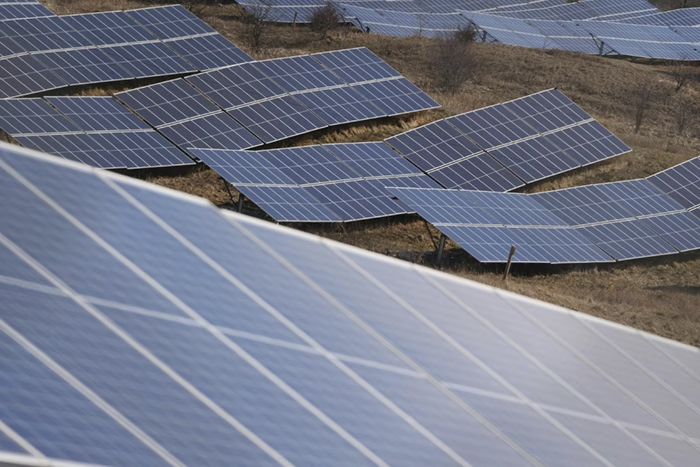
Does Solar Surge Make Everyone’s Electricity Rates Rise?
Dear EarthTalk: Does the rise of solar power actually make electricity more expensive for everyone?
—Julie Smith, Pittsburgh, PA
Solar energy promises long-term savings and environmental benefits, but the path to widespread adoption is challenging, particularly in the way it affects electricity pricing and the overall energy market.
Solar power generates electricity by harnessing sunlight, so it is a clean energy source. However, adopting it can be costly. Most expenses come from the initial investment in infrastructure, including installing and integrating solar panels into the existing grid. These costs are balanced by the relatively low maintenance and operational expenses going forward. With ongoing advancements in technology and decreasing costs, this renewable energy source is becoming more accessible and affordable for both consumers and utilities.
While these upfront expenses can temporarily raise electricity prices,, these costs will stabilize and solar power can lead to more affordable energy for everyone over time.
Solar power also has challenges due to its intermittent nature, being available only during daylight hours, not aligning with peak demand times, like evenings when electricity use is highest. To ensure a reliable energy supply, backup sources like natural gas are often needed, leading to increased costs. “Constructing and upkeeping a secondary energy source results in higher overall energy costs because two energy systems cost more than one,” reports Elmira Aliakbari of the Fraser Institute, a Canadian think tank.
Energy storage technologies, like batteries and pumped hydropower, are essential for addressing solar energy’s intermittency. Storing excess solar power for later use can reduce the need for backup sources. However, the cost of storing electricity remains a significant challenge, making it difficult to rely entirely on wind and solar power. While energy storage is still expensive, advancements in battery technology are expected to reduce these costs over time, making solar energy more affordable.
The rise of solar power may result in short-term increases in electricity prices due to grid upgrades and energy storage costs. But in the long run, solar offers significant savings by reducing reliance on fossil fuels and lowering carbon emissions. Switching to energy-efficient appliances and supporting policies and companies investing in renewable energy and energy storage solutions is equally important. Educating others about the benefits of solar power and participating in local initiatives like time-of-use energy programs can ensure a more sustainable and cost-effective energy future for everyone.
CONTACTS
EarthTalk® is produced by Roddy Scheer & Doug Moss for the 501(c)3 nonprofit EarthTalk. See more at https://emagazine.com. To donate, visit https://earthtalk.org. Send questions to: question@earthtalk.org.
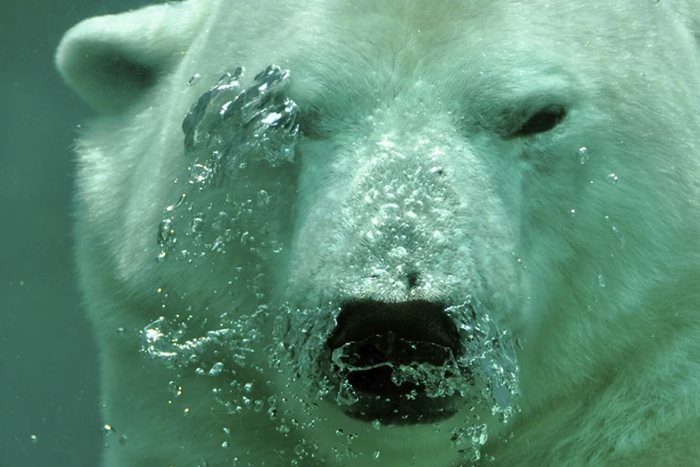
Polar Bears Still Under Water In The Thawing Arctic
Dear EarthTalk: Are polar bears still in decline due to global warming?
– Patty Finch, Bowie, MD
Polar bears are a big part of the Arctic ecosystem. However, they are grappling with huge changes to their homes due to the effects of climate change. The bears are now listed as “vulnerable” by the International Union for the Conservation of Nature (IUCN). This puts them at a high risk of being endangered, which means they are at significant risk of extinction. The global polar bear population is estimated to be around 26,000. Some subpopulations are stable, while others are declining as a result of habitat fragmentation.
Greenhouse gas emissions have driven worldwide temperatures to an all-time high, causing Arctic Sea ice to melt. This is a crisis as polar bears rely on ice for all parts of their routine. Thus, polar bears are losing their habitats. Melting ice also affects the bears’ ability to hunt, since ice serves as a hunting platform. This affects not only adult bears and their survival, but also the cubs. According to Dr. Steven Amstrup, Chief Scientist Emeritus at Polar Bears International, “the longer the sea ice is gone from the productive zone, the tougher it is on the bears.”
Different polar bear populations have been affected in different ways. To wit, the populations in the Western Hudson Bay and Southern Beaufort Sea have faced the greatest decline. However, populations in the Barents Sea and Gulf of Boothia are likely to be stable at the moment. It’s important to note that many other regions are data deficient, causing a gap in statistics and information availability. In the late Dr. Ian Sterling’s book, Polar Bears: The Natural History of a Threatened Species, he asserts that “it is vital that all humans and their respective governments…help reduce greenhouse gas emissions…to ensure that both sea ice and polar bears persist for our children…”
Challenges in addressing these issues persist. International policy responses are slow, and industrial development continues to encroach on polar bears’ habitat and territory. Also, since the polar bear population is dispersed across 19 subregions, it’s hard to effectively coordinate actions between regions.
That being said, progress has still been made. The 1973 Agreement on the Conservation of Polar Bears brought together the five nations with the highest polar bear populations (Canada, Greenland, Norway, Russia and the U.S.), all who recognize that polar bears need effective protection. Furthermore, organizations like Polar Bears International and the World Wildlife Fund promote conservation, research, and advocacy. Individuals can support polar bear populations by supporting organizations, educating themselves, and being involved in advocacy. By saving these animals, we commit to taking action on climate change, both for humanity and the world.
CONTACTS
EarthTalk® is produced by Roddy Scheer & Doug Moss for the 501(c)3 nonprofit EarthTalk. See more at https://emagazine.com. To donate, visit https://earthtalk.org. Send questions to: question@earthtalk.org.